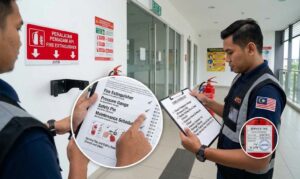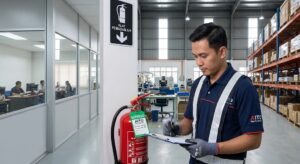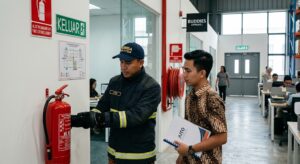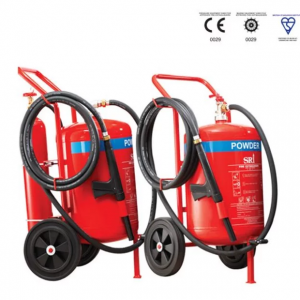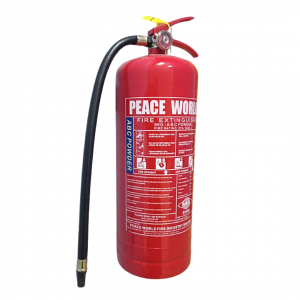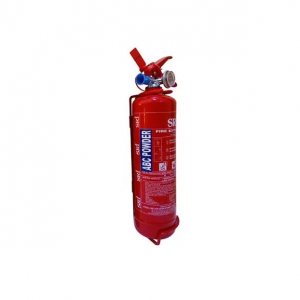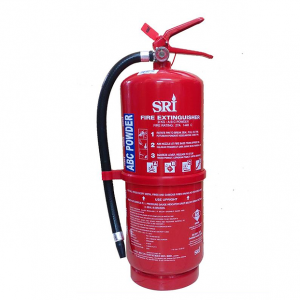
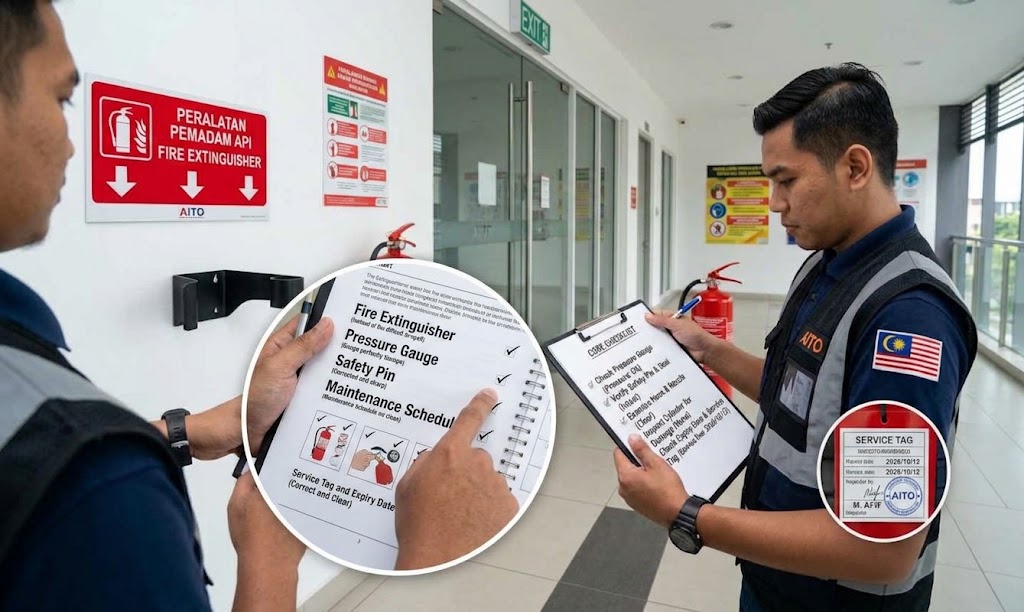
A fire extinguisher is only useful if it works when an emergency happens.
Many businesses install fire extinguishers on their premises, but staff do not check all of them regularly. Some extinguishers may be expired, blocked, damaged, discharged, wrongly placed, or missing proper signage.
For offices, factories, warehouses, restaurants, retail shops, clinics, workshops, and commercial buildings, fire extinguisher maintenance should be part of regular workplace safety management.
This checklist helps business owners, safety officers, facility managers, and building operators understand what to check, why it matters, and when to take action.
For fire extinguisher supply, inspection, and fire protection solutions, you can visit AITO Fire Protection Malaysia.
Why Fire Extinguisher Maintenance Matters
Manufacturers design fire extinguishers to help control small fires during the early stage of an emergency. However, they must remain ready to use at all times.
If staff do not maintain a fire extinguisher properly, it may fail when someone needs it most.
Regular maintenance helps businesses:
- Identify expired or damaged extinguishers
- Check whether the extinguisher is still pressurised
- Ensure the unit is visible and accessible
- Confirm that the extinguisher type matches the fire risk
- Reduce delay during emergency response
- Improve workplace fire safety readiness
- Support overall fire protection planning
A fire extinguisher should not be treated as a one-time purchase. It is safety equipment that must be checked, serviced, and managed throughout its service life.
Who Should Use This Checklist?
This checklist is useful for any business that installs fire extinguishers on its premises.
It is especially useful for:
- Business owners
- Safety and health officers
- Facility managers
- Building managers
- Office administrators
- Factory supervisors
- Warehouse operators
- Restaurant owners
- Retail shop owners
- School and training centre operators
- Property management teams
Even if your fire extinguishers are serviced by a supplier, your internal team should still perform simple routine checks to make sure the units remain visible, accessible, and in good condition.
Checklist 1: Check the Fire Extinguisher Location
Start by checking whether each fire extinguisher is still in its correct location.
Sometimes, staff move extinguishers during cleaning, renovation, stock arrangement, or daily operations. If workers fail to return them to the correct place, people may not find them during an emergency.
Check whether the extinguisher is:
- Installed at the designated location
- Easy to find
- Near the relevant risk area
- Not hidden behind furniture or stock
- Not placed too far from the area it is meant to protect
- Still suitable for the current building layout
If your business changes its layout, adds new rooms, or moves equipment, you may need to review fire extinguisher placement.
You can also read How to Choose the Right Fire Extinguisher for Your Business in Malaysia for more guidance on matching extinguisher types to business premises.
Checklist 2: Make Sure the Extinguisher Is Not Blocked
A blocked fire extinguisher can delay emergency response.
This is a common issue in offices, warehouses, retail shops, factories, and restaurants. Boxes, equipment, furniture, display items, or renovation materials may slowly block access to the extinguisher over time.
Check whether the extinguisher is:
- Free from obstruction
- Easy to reach
- Not blocked by stock or boxes
- Not covered by decorations
- Not hidden behind doors
- Not blocked by machinery or furniture
During a fire, people should not need to move heavy objects just to reach the extinguisher.
A simple weekly visual check can help prevent this issue.
Checklist 3: Check the Pressure Gauge
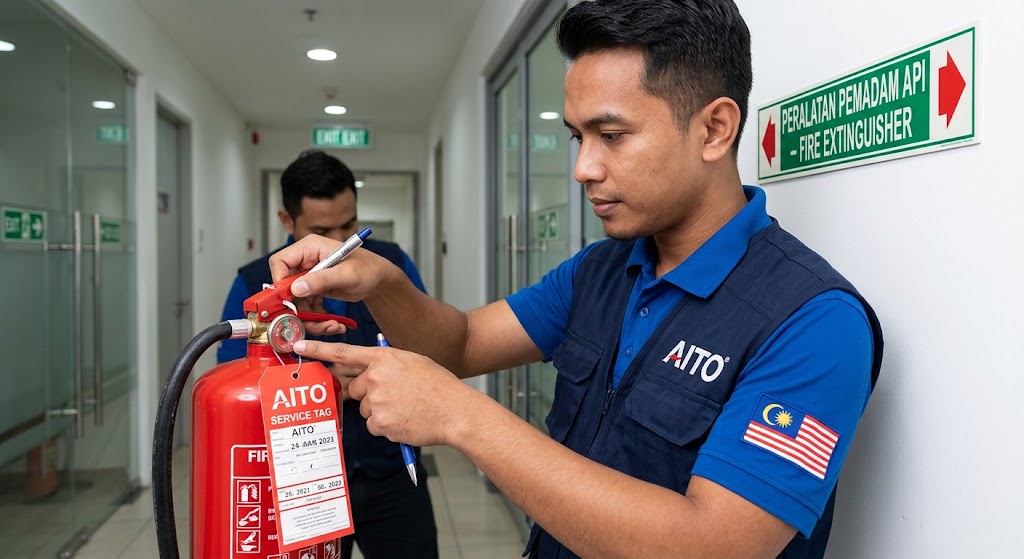
The pressure gauge helps show whether the extinguisher is within its operating pressure range.
If the pressure is too low or too high, the extinguisher may not work correctly.
Check whether:
The needle stays within the correct range
The gauge remains undamaged
The gauge stays clearly visible
The pressure does not look too low
The pressure does not look too high
If the pressure gauge is outside the acceptable range, you should hire a qualified fire protection service provider to inspect the extinguisher.
Do not assume the extinguisher is safe to use just because the cylinder looks fine from the outside.
Checklist 4: Check the Safety Pin and Seal
The safety pin prevents accidental discharge. The seal helps indicate whether the extinguisher may have been tampered with or used.
Check whether:
- The safety pin is in place
- The pin is not bent or missing
- The tamper seal is intact
- The handle is not damaged
- The extinguisher has not been partially discharged
If the safety pin or seal is missing, your team must check the extinguisher immediately.
A missing seal may indicate that someone has used, tampered with, or accidentally discharged the extinguisher.
Checklist 5: Inspect the Hose and Nozzle
The hose and nozzle must be in good condition so the extinguisher can discharge properly.
A damaged hose may leak or fail during use. A blocked nozzle may prevent the extinguishing agent from flowing correctly.
Check whether:
- The hose is not cracked
- The hose is not loose
- The nozzle is not blocked
- The nozzle is not damaged
- There is no visible leakage
- The hose is properly attached
If the hose or nozzle is damaged, do not ignore the extinguisher. Instead, arrange for inspection, servicing, or replacement where necessary.
Checklist 6: Check the Cylinder Condition
The extinguisher cylinder should be physically clean and in good condition.
Damage to the cylinder can affect safety and performance.
Check whether the cylinder has:
- Rust
- Dents
- Corrosion
- Leakage
- Burn marks
- Serious scratches
- Loose parts
- Signs of damage
Fire extinguishers installed in factories, kitchens, outdoor areas, loading bays, or humid environments may be more exposed to dirt, heat, moisture, or physical damage.
If the cylinder looks damaged, get it inspected by a suitable fire protection provider.
Checklist 7: Check the Expiry Date
Every fire extinguisher has a service life, and your team must check it according to its expiry or service schedule.
An expired extinguisher may fail to perform correctly. It may also suffer from pressure issues, internal deterioration, or other defects that remain invisible from the outside.
Check whether:
You can still use the expiry date
The service tag remains updated
Technicians have recorded the last service date
The next service date is clear
The extinguisher has not passed its recommended service period
If the extinguisher is expired or close to expiry, arrange servicing or replacement early.
Do not wait until an inspection or emergency happens.
Checklist 8: Check the Service Tag
The service tag gives important information about inspection and maintenance history.
It helps business owners and facility managers track whether the extinguisher has been checked by a service provider.
Check whether the service tag shows:
- Last inspection date
- Next service date
- Service provider details
- Extinguisher condition
- Any notes or remarks
- Signature or confirmation mark
If the service tag is missing, unclear, damaged, or outdated, it is better to arrange a proper inspection.
Good records make it easier to manage multiple extinguishers across a building.
Checklist 9: Confirm the Extinguisher Type Matches the Area
A fire extinguisher should match the fire risk in the area.
For example, a commercial kitchen may require a different extinguisher from a server room, office area, factory floor, or warehouse.
Check whether the extinguisher is suitable for the area, such as:
- Office areas
- Electrical rooms
- Pantry or kitchen areas
- Server rooms
- Warehouses
- Production areas
- Vehicle areas
- Chemical storage areas
- Retail areas
Using the wrong extinguisher can reduce safety and increase risk.
You can read AITO’s guide on Jenis-Jenis Alat Pemadam Api to understand common extinguisher types and their uses.
Checklist 10: Check the Fire Extinguisher Signage
Fire extinguisher signage helps people quickly locate the extinguisher during an emergency.
Without proper signage, the extinguisher may be overlooked, especially in large buildings, corridors, warehouses, factories, and busy commercial premises.
Check whether the signage is:
- Visible
- Clear
- Not faded
- Not damaged
- Not blocked
- Placed near the extinguisher
- Easy to understand
If signage is missing or unclear, replace it as soon as possible.
You can also read Fire Extinguisher Signage Malaysia for more details.
Checklist 11: Make Sure Staff Know the Extinguisher Locations
Fire extinguishers should not only be visible to management. Staff should also know where they are located.
During an emergency, staff may panic if they do not know where to find the nearest extinguisher.
Make sure employees understand:
- Where extinguishers are located
- Which exits to use
- Who to inform during an emergency
- When to evacuate
- When not to attempt firefighting
- How to report blocked or damaged extinguishers
Basic fire safety awareness can support faster and safer response.
However, if a fire is already spreading, evacuation and contacting emergency services should be the priority.
Checklist 12: Review Fire Extinguishers After Layout Changes
Business premises can change over time.
A shop may add new display racks. A factory may add new machinery. An office may renovate its layout. A restaurant may expand its kitchen. A warehouse may increase its stock volume.
When the layout changes, fire extinguisher placement and suitability should also be reviewed.
Review your extinguishers after:
- Renovation
- Expansion
- New equipment installation
- New electrical room setup
- New kitchen or pantry setup
- Storage changes
- Change in business operations
- Addition of flammable materials
- Increase in staff or customer capacity
Fire safety should follow the current condition of the premises, not the old layout.
Checklist 13: Keep a Fire Extinguisher Register
A fire extinguisher register helps businesses track all extinguishers in the premises.
This is especially useful for larger buildings, factories, warehouses, commercial lots, and businesses with multiple branches.
A simple register may include:
- Extinguisher number
- Location
- Type
- Size
- Expiry date
- Last service date
- Next service date
- Inspection remarks
- Replacement history
- Service provider details
Without a register, it is easier to miss expired units or forget which extinguishers need attention.
A proper record also helps when planning routine maintenance.
How Often Should Businesses Check Fire Extinguishers?
Businesses should carry out simple visual checks regularly.
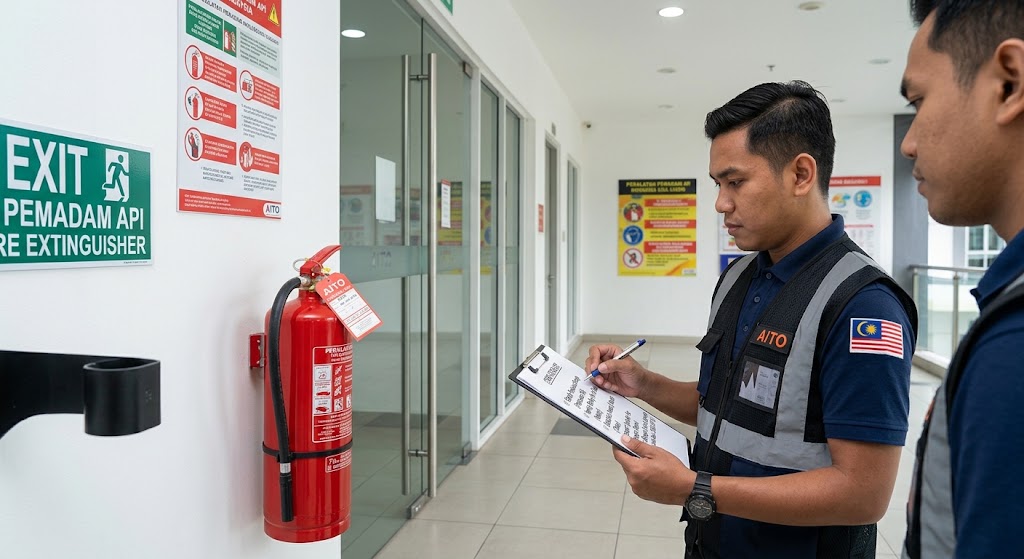
Staff can perform a quick internal check weekly or monthly, depending on the premises type and risk level.
Businesses must also schedule professional servicing according to the required timeframe, extinguisher condition, and advice from a competent fire protection service provider.
Higher-risk premises like factories, kitchens, workshops, and warehouses require closer monitoring because environmental factors such as heat, dust, moisture, movement, or obstruction can affect extinguishers.
For general fire safety information, businesses may refer to the official Fire and Rescue Department of Malaysia BOMBA.
For workplace safety guidance, businesses may also refer to the Department of Occupational Safety and Health Malaysia DOSH.
Signs That a Fire Extinguisher Needs Immediate Attention
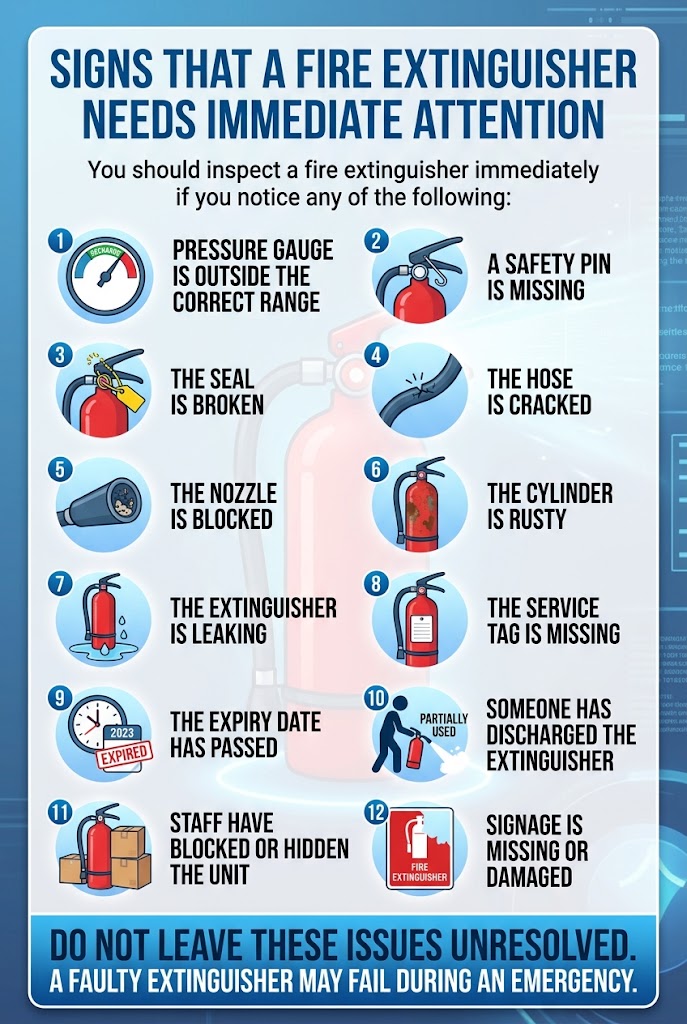
You should inspect a fire extinguisher immediately if you notice any of the following:
The pressure gauge is outside the correct range
A safety pin is missing
The seal is broken
The hose is cracked
The nozzle is blocked
The cylinder is rusty
The extinguisher is leaking
The service tag is missing
The expiry date has passed
Someone has discharged the extinguisher
Staff have blocked or hidden the unit
Signage is missing or damaged
Do not leave these issues unresolved.
A faulty extinguisher may fail during an emergency.
Fire Extinguisher Maintenance for Vehicles
Businesses that operate company vehicles should also check vehicle fire extinguishers.
This may include:
- Company cars
- Vans
- Lorries
- Delivery vehicles
- Service vehicles
- Forklifts
- Heavy machinery
Vehicle extinguishers should be securely mounted, easy to reach, suitable for the risk, and checked regularly.
They should not be left loose under seats, hidden behind items, or exposed to unnecessary damage.
You can read AITO’s guide on Car Fire Extinguisher Malaysia for more information.
Common Fire Extinguisher Maintenance Mistakes
Many businesses make simple mistakes that can reduce extinguisher effectiveness.
Common mistakes include:
- Forgetting to check expiry dates
- Allowing extinguishers to be blocked
- Ignoring damaged hoses or nozzles
- Not checking the pressure gauge
- Using the wrong extinguisher type
- Not replacing missing signage
- Failing to update service records
- Keeping extinguishers in hidden areas
- Not reviewing extinguishers after renovation
- Not checking vehicle extinguishers
You can also read Common Fire Extinguisher Mistakes Businesses Should Avoid in Malaysia to understand these issues in more detail.
How AITO Can Help
AITO provides fire extinguisher supply, inspection, consultation, and fire protection solutions for businesses, commercial premises, industrial facilities, and vehicle-related needs in Malaysia.
The team can assist with checking extinguisher suitability, identifying maintenance issues, replacing expired units, and recommending suitable fire protection equipment based on your premises.
Whether your business operates an office, factory, warehouse, restaurant, retail shop, workshop, server room, or vehicle fleet, AITO can support your fire safety requirements.
To learn more, visit AITO Fire Protection Malaysia.
Conclusion
Fire extinguisher maintenance is an important part of workplace fire safety.
A fire extinguisher should be visible, accessible, suitable for the risk, properly pressurised, clearly labelled, and maintained regularly.
Your business must not wait until an emergency to discover that an extinguisher is expired, blocked, damaged, or unsuitable.
By following a simple fire extinguisher maintenance checklist, business owners and facility managers can improve safety readiness, reduce risk, and ensure their fire protection equipment remains ready for use when needed.
FAQ: Fire Extinguisher Maintenance Checklist
Here are the active-voice revisions for the FAQ section:
1. What should be checked on a fire extinguisher?
Active Revision: You should check the pressure gauge, safety pin, seal, hose, nozzle, cylinder condition, expiry date, service tag, accessibility, signage, and overall placement.
2. How do I know if a fire extinguisher is still usable?
Active Revision: A fire extinguisher remains usable if it stays within its expiry or service period, holds the correct pressure, shows no damage, remains sealed, stays accessible, and matches the fire risk area. If you feel unsure, you should ask a fire protection provider to inspect it.
3. Can I use an expired fire extinguisher?
Active Revision: An expired extinguisher may fail to work properly during an emergency. You must have a professional inspect, service, or replace it.
4. How often should businesses inspect fire extinguishers?
Active Revision: Your team should carry out simple visual checks regularly. You should also schedule professional servicing based on the extinguisher condition, required schedule, and advice from a competent fire protection service provider.
5. Why is the pressure gauge important?
Active Revision: The pressure gauge shows whether the extinguisher stays within the correct operating pressure range. If the pressure drops too low or rises too high, the extinguisher may fail to work properly.
6. Should vehicle fire extinguishers be checked too?
Yes. You should check vehicle fire extinguishers regularly to ensure they remain secure, accessible, undamaged, and ready for use.
7. Who can help maintain fire extinguishers in Malaysia?
AITO provides fire extinguisher supply, inspection, consultation, and fire protection solutions for businesses and buildings in Malaysia.