Fire Safety in Apartment Homes & Condominiums: What You Need to Know
Imagine this: you are sleeping soundly one night when suddenly you wake up to the smell of smoke. You immediately investigate the source and discover that the smoke is coming from your power socket. Lacking a fire extinguisher, you try to cover the flames with a damp cloth. However, before you can effectively use it, the fire grows too large for the cloth to handle. As the saying goes, “Fire doesn’t wait for anybody.” As time passes, the fire intensifies, and the smoke becomes thicker. Ultimately, you find yourself trapped in the same room, surrounded by either fire or smoke.
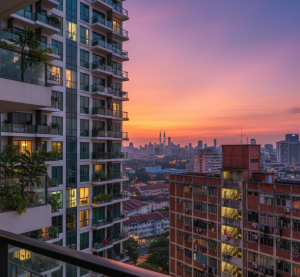
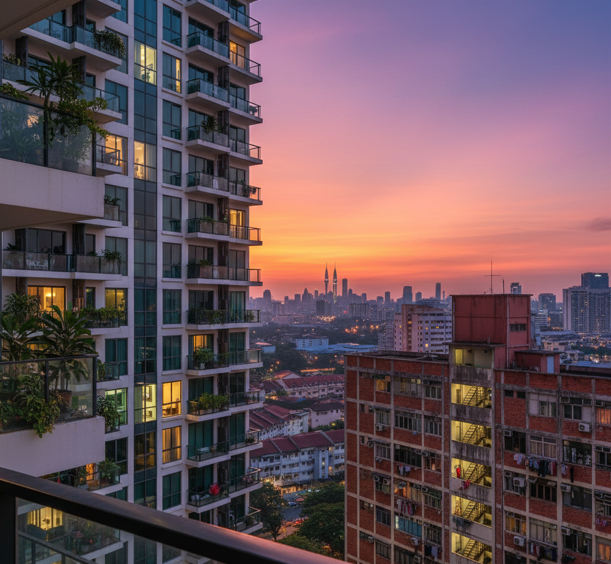
Living in an apartment or condominium has its pros and cons, just like living in a house. Apartments and condominiums are often referred to as “high-rises” due to their tall structures, shared walls with neighbors, and limited exits.
The Silent Threat in Your Walls
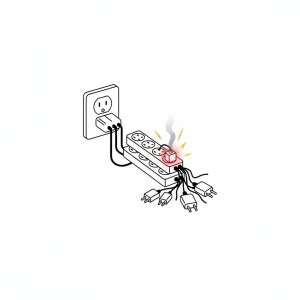
A power socket is a common feature in most buildings, but it’s essential to be cautious when using it. Protect your home by following these two critical rules:
- Stop the “Daisy Chain”: Plugging multiple extension cords into one another creates a massive heat load. In a confined apartment, this can melt the internal wiring and start a fire inside your walls where you can’t see it.
- Avoid “Ghost” Charging: Leaving gadgets like power banks or cheap chargers plugged in 24/7 can lead to overheating. Once the battery reaches its limit, it can “swell” and ignite -especially if it’s sitting on a flammable surface like your bed or sofa.
Cooking Without Crisis
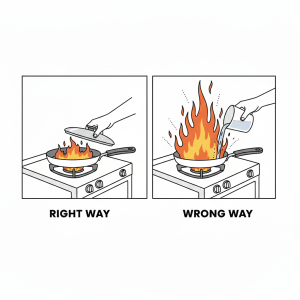
The kitchen is the heart of the home, but in an apartment, a small stove fire can quickly turn into a building-wide emergency.
- The “Never Leave” Rule: In a high-rise, kitchens are often small and located near the main exit door. If a pan catches fire, flames can reach the cabinets or range hood vent in seconds. By the time you “just finish that phone call,” the fire might be blocking your only way out of the apartment.
- Water is Not the Answer (The “Oil Explosion”): This is the most dangerous mistake. Oil is lighter than water. When you throw water on a grease fire, the water sinks to the bottom, boils instantly, and turns into steam. This steam expands violently, “exploding” the burning oil into a thousand tiny droplets that fill the room. If a grease fire occurs, stay calm and slide a metal lid over the pan or use a damp fire blanket to smother the flames—never use water.
The Elevator—A Vertical Death Trap
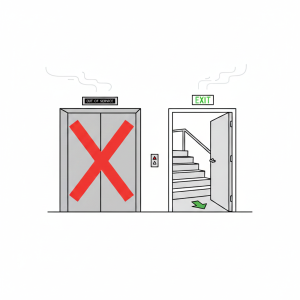
When the alarm rings, your first instinct might be to run for the lift—the way you exit the building every single day. In a fire, this is the most dangerous decision you can make. Here is why the lift becomes a death trap:
- Power Failure: Fires often destroy electrical systems, which can cut power to the elevator and trap you between floors with no way to escape.
- Smoke and Heat Inhalation: Elevator shafts act as chimneys, drawing smoke and heat upward throughout the building. Smoke can fill the shaft and car rapidly, leading to asphyxiation.
- Malfunctioning Doors: Smoke and heat can fool elevator sensors. This may cause doors to stay open on a burning floor, or worse, stop and open directly into the flames.
- Emergency Resource Prioritization: Elevators are reserved for firefighters, who use them to transport heavy equipment and reach upper floors quickly to fight the fire and rescue trapped individuals.
- The “Floor of Fire” Risk: Elevators are not “smart” enough to know where the fire is. If someone on a burning floor pushes the button, the lift might stop there and open its doors directly into the flames, trapping you inside.
- Automatic Recall: When a fire alarm is triggered, modern elevators are designed to automatically go to the ground floor and open their doors to release passengers, then go out of service.
Conclusion
Fire safety in a high-rise isn’t just about your own unit; it’s a pact you make with everyone living above and below you. Tonight, take five minutes to walk to your emergency exit and check your power sockets. In a building this tall, your preparation is the only thing faster than the flames.