What is a Fire Alarm Panel? Types, Functions & How It Works in Malaysia
What is a Fire Alarm Panel?
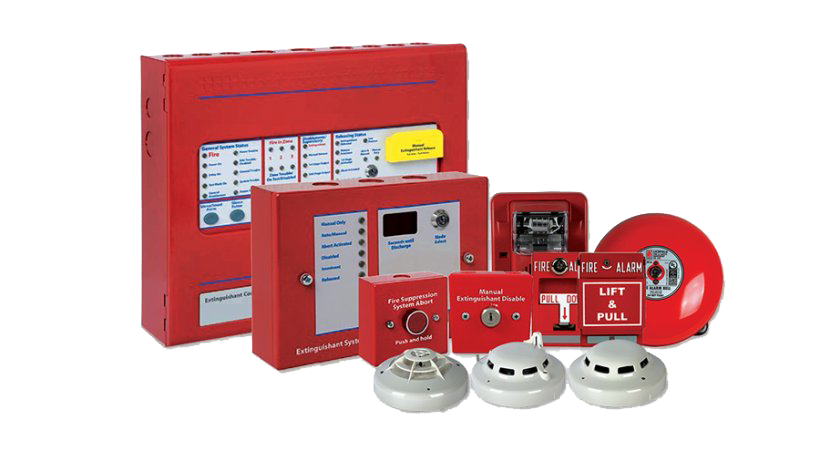
A fire alarm panel (also known as a Fire Alarm Control Panel or FACP) is the central control unit of a fire alarm system. It receives signals from detection devices such as smoke detectors, heat detectors, and manual call points, and then triggers alarms to alert occupants of a fire emergency.
In Malaysia, fire alarm panels are an essential part of building safety systems and are required to comply with regulations set by BOMBA.
Why it is Important?
It plays a critical role in protecting lives and property.
1. Early Fire Detection
The system detects fire at an early stage, allowing quick response before it spreads.
2. Immediate Alert
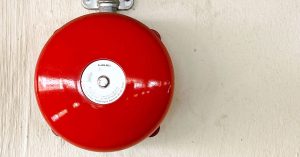
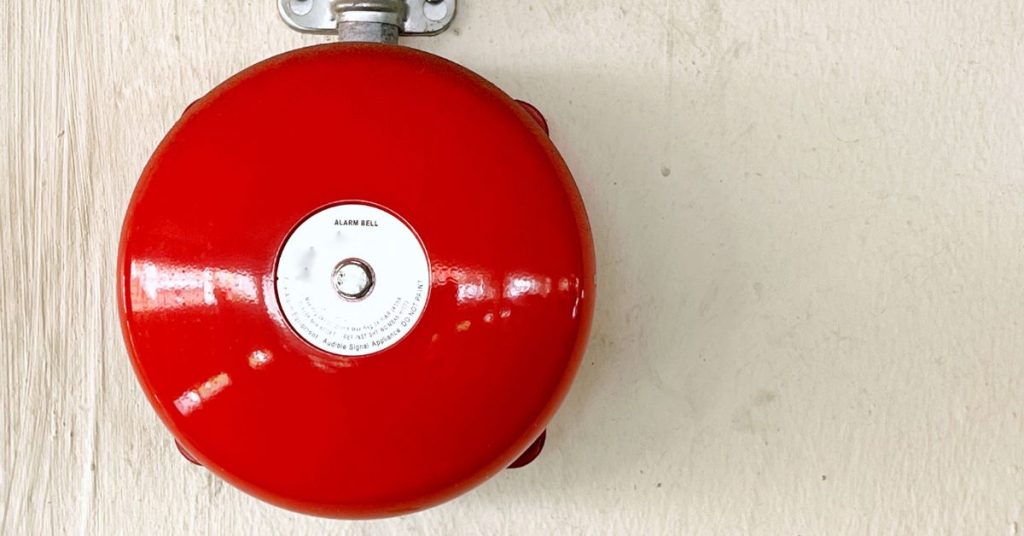
Once activated, the panel triggers alarms such as sirens, bells, or strobes to notify occupants.
3. Central Monitoring
All fire alarm devices are connected to one panel, making it easier to monitor the entire building.
4. Compliance with Safety Regulations
Buildings in Malaysia must install fire alarm systems to meet BOMBA requirements and obtain Fire Certificate approval.
————————–
Types of Fire Alarm Panels
There are several types in Malaysia.
1. Conventional
This system divides a building into zones.
- Suitable for small to medium buildings
- Easier to install
- Lower cost
However, it cannot identify the exact location of the fire, only the zone.
2. Addressable
Each device has a unique address.
- Suitable for large or complex buildings
- Can pinpoint exact location of fire
- More advanced and accurate
3. Intelligent
An advanced version of addressable systems.
- Provides detailed monitoring
- Reduces false alarms
- Offers system diagnostics
How Does it’s Work?
It’s works by connecting multiple fire detection devices into one system.
Step-by-step process:
- A detector senses smoke, heat, or flame
- Signal is sent to the fire alarm panel
- Panel analyses the signal
- Alarm system is triggered (sirens, lights)
- Emergency response actions begin
In addition, some systems are connected to fire suppression systems or monitoring centres.
Main Components of a System
A complete fire alarm system includes several components:
- Fire alarm control panel
- Smoke detectors
- Heat detectors
- Manual call points
- Alarm sounders and strobes
- Power supply and backup battery
All components work together to ensure effective fire detection and response.
Installation in Malaysia
In Malaysia, installation must follow fire safety standards and BOMBA requirements.
Key requirements:
- Proper system design
- Installation by qualified professionals
- Regular testing and maintenance
- Compliance with building safety regulations
Failure to meet these requirements may result in:
- Failed inspection
- Delay in Fire Certificate approval
- Safety risks
Maintenance
Regular maintenance is essential to ensure the system functions properly.
Maintenance includes:
- System testing
- Checking detectors and alarms
- Battery inspection
- Fault monitoring
Therefore, periodic inspection is important to maintain compliance and reliability.
Solutions by AITO
AITO provides complete fire alarm panel solutions in Malaysia.
Services include:
- Fire alarm panel supply
- System installation
- Inspection and maintenance
- Fire safety consultation
With professional expertise, AITO ensures your system is reliable, compliant, and ready during emergencies.
Why Choose AITO
- Experienced fire safety provider
- Compliance with BOMBA requirements
- End-to-end service (supply, install, maintain)
- Trusted by various industries
Conclusion
A fire alarm panel is a crucial component of any fire protection system. It ensures early detection, quick alerts, and effective emergency response.
In Malaysia, proper installation and maintenance are essential to meet safety standards and regulations. By working with a professional provider like AITO, businesses can ensure their fire alarm systems are fully compliant and reliable.
Call To Action
Looking to install or upgrade your fire alarm panel system?
Contact AITO today for professional fire safety solutions, installation, and compliance support