What Is a Fire Drill? A Complete Guide for Homes, Schools, and Workplaces
A fire can spread within minutes. When an alarm goes off, panic sets in and people freeze. That is exactly why a fire drill exists. It trains people to act fast, stay calm, and evacuate safely before a real fire causes harm.
Whether you manage a school, run a business, or simply want to keep your family safe at home, this guide explains everything you need to know about fire drills — from what they are to how to run one properly.
What Is a Fire Drill?
A fire drill is a planned practice exercise that simulates a fire emergency. The goal is to rehearse the steps needed to evacuate a building safely and quickly, so that when a real fire happens, everyone knows exactly what to do.
During a fire drill, the fire alarm is activated, and all occupants must leave the building through designated emergency exits — just as they would in a real fire. The exercise is then reviewed to identify any issues with the evacuation process.
Fire drills are not just a good idea. In Malaysia, they are a requirement under the Uniform Building By-Laws (UBBL) 1984, which mandates that building owners and managers ensure occupants are prepared for fire emergencies. You can read more about UBBL requirements on the official Malaysia legal database to understand the full scope of your obligations.
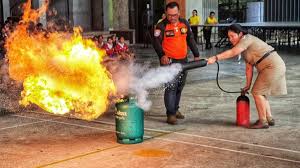
Why Are Fire Drills Important?
Many people treat fire drills as an inconvenience. In reality, they save lives. Here is why they matter:
- They reduce panic during a real emergency When people have never practised evacuating, they tend to freeze or make poor decisions during an actual fire. A fire drill builds muscle memory. People know where to go and how to get there without thinking.
- They reveal problems before they become fatal A fire drill exposes weaknesses — blocked fire exits, faulty alarms, unclear evacuation routes, or a lack of trained fire wardens. These problems are easy to fix during a drill. They are catastrophic during a real fire.
- They ensure compliance with fire safety regulations In Malaysia, failing to conduct regular fire drills can result in penalties and, more importantly, puts lives at risk. The Department of Occupational Safety and Health (DOSH) outlines fire safety duties for employers under the Occupational Safety and Health Act (OSHA) 1994.
- They protect everyone — including visitors Regular occupants may become familiar with exits over time, but visitors and new staff will not. A well-communicated fire drill system ensures no one is left behind.
How Often Should a Fire Drill Be Conducted?
The recommended frequency depends on the type of building and its occupants:
- Workplaces and offices — at least once every 12 months, though twice a year is best practice
- Schools and universities — at least twice per academic year
- Hospitals and care facilities — every three to six months due to vulnerable occupants
- High-rise residential buildings — at least once a year
For high-risk environments such as factories or chemical plants, more frequent drills are strongly advised. Always check with your local Bomba (Fire and Rescue Department Malaysia) for the latest guidelines specific to your building type.
Fire Drill Procedures: Step-by-Step
A well-conducted fire drill follows a clear process. Here is a simple breakdown:
Step 1: Plan the Drill in Advance
Assign a fire warden or safety officer to coordinate the drill. Review the building’s fire evacuation plan, identify all emergency exits, and determine the designated assembly point outside the building.
If you need a proper fire fighting equipment list as part of your fire safety setup, ensure all equipment is in place and accessible before the drill begins.
Step 2: Notify Relevant Parties (Optional)
Some organisations choose to announce the drill in advance so that staff can plan around it. Others prefer an unannounced drill to get a more realistic response. Both approaches are valid — announced drills reduce disruption, while unannounced drills reveal how people truly react.
Step 3: Activate the Fire Alarm
Start the drill by activating the fire alarm system. Every occupant must respond as if the situation is real. No one should continue working or dismiss the alarm.
Step 4: Evacuate the Building
All occupants must:
- Leave immediately through the nearest emergency exit
- Avoid using lifts — use staircases only
- Assist anyone who needs help (elderly, disabled, or injured individuals)
- Proceed calmly to the designated assembly point
Fire wardens should sweep their designated zones to ensure no one is left behind, then report to the fire warden coordinator outside.
Step 5: Account for All Occupants
Once outside, take attendance or roll call. Every person like staff, students, contractors, and visitors must be accounted for. If someone is missing, report this to the fire warden coordinator immediately.
Step 6: Evaluate and Debrief
After the drill, gather all participants for a debrief. Ask:
- How long did the evacuation take?
- Were there any bottlenecks at exits?
- Did the alarm sound clearly in all areas?
- Did all fire wardens know their responsibilities?
Document the findings and create an action plan to fix any issues identified.
Common Mistakes During a Fire Drill
Even well-planned drills go wrong. Watch out for these common mistakes:
- Using the lift instead of the stairs — this is a serious hazard in a real fire
- Returning to collect belongings — during a real fire, seconds matter
- Not proceeding to the assembly point — people often stop just outside the door, which blocks exits and disrupts the count
- Ignoring the alarm — treating the drill as unimportant defeats its purpose
- No designated fire warden — without someone managing the evacuation, it becomes chaotic
Fire Drill Requirements for Different Settings
Fire Drill at School
Schools have a duty to protect students, teachers, and support staff. A school fire drill should:
- Be conducted at different times of day to cover various scenarios
- Include procedures for students with special needs
- Designate clear responsibilities for teachers and staff
- Be recorded in a fire drill log
Fire Drill at the Workplace
Under OSHA 1994, employers in Malaysia must provide a safe working environment. This includes regular fire drills. A workplace fire drill should:
- Be part of a broader Emergency Response Plan (ERP)
- Include trained fire wardens for each floor or department
- Be evaluated and improved after each exercise

Fire Drill at Home
Most people overlook home fire drills, but house fires are among the most deadly. A home fire drill should:
- Involve every family member, including children
- Identify two exit routes from every room
- Establish a meeting point outside (e.g., the front gate or a neighbour’s house)
- Be practised at least once a year, ideally after dark
Fire Safety Equipment You Should Have Ready
A fire drill is only as effective as the fire safety measures already in place. Before conducting a drill, make sure your building is equipped with the right tools.
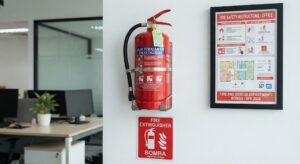
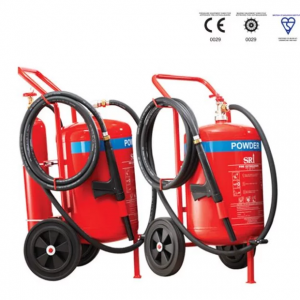
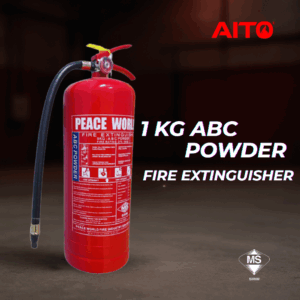
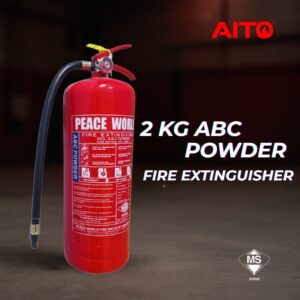
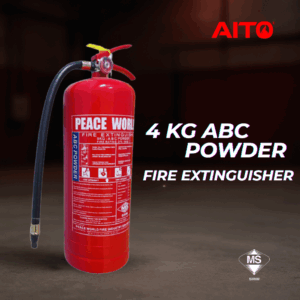
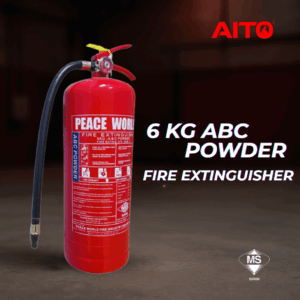
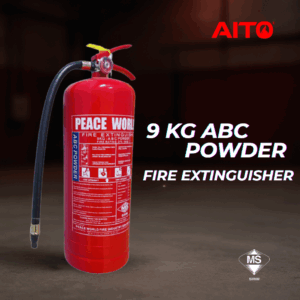
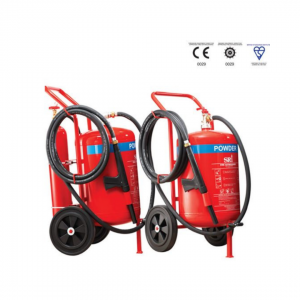
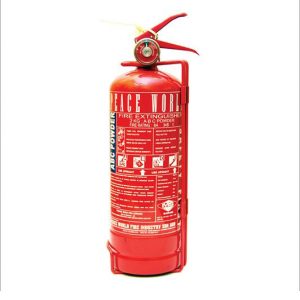
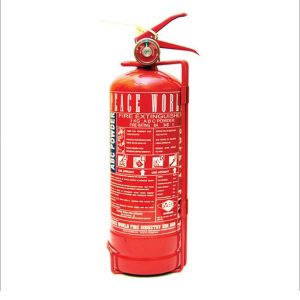
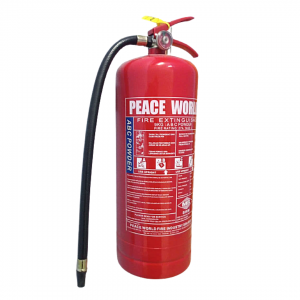
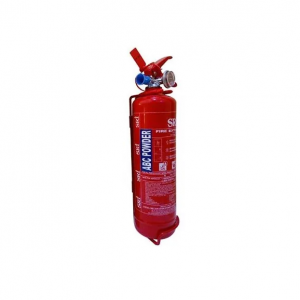
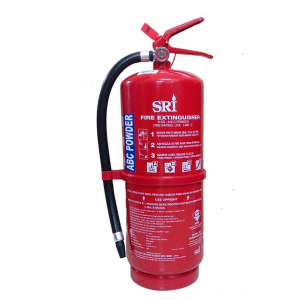
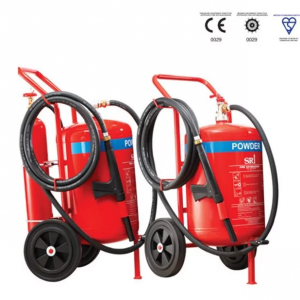
Every property should have working alat pemadam api (fire extinguishers) placed in accessible locations. Staff and occupants should know the location of each unit and be familiar with how to use one.
Your building should also have a functional hose reel system and clearly marked emergency exits with working exit lights. Smoke detectors and heat detectors must be tested regularly to ensure they activate correctly when smoke or heat is detected.
If you are unsure whether your building’s fire safety equipment is compliant, our team at AITO provides fire extinguisher servicing and full fire safety inspections across Malaysia.
What to Do After a Fire Drill
The drill itself is only half the work. What you do afterwards determines whether it actually improves your fire preparedness:
- Write a drill report — record the date, time taken, number of occupants, and any issues observed
- Fix identified problems — blocked exits, malfunctioning alarms, and untrained staff must be addressed before the next drill
- Update the evacuation plan — if the layout of the building has changed, update the floor plan and redistribute it to all occupants
- Train new fire wardens if needed — if any wardens were absent or performed poorly, arrange refresher training
- Schedule the next drill — do not wait for an incident to remind you
Frequently Asked Questions About Fire Drills
- How long should a fire drill take? A typical fire drill should be completed within three to five minutes. If it takes longer, the evacuation plan needs to be reviewed.
- Can a fire drill be conducted without warning? Yes. Unannounced drills tend to produce more realistic results and better prepare occupants for an actual emergency.
- Who is responsible for conducting a fire drill in Malaysia? The building owner, employer, or designated safety officer is responsible. In schools, this is usually the principal or the school’s safety coordinator.
- What is the penalty for not conducting fire drills in Malaysia? Non-compliance with fire safety regulations under the Fire Services Act 1988 can result in fines or prosecution. Consult your local Bomba office for the specific penalties applicable to your building type.
- Do fire drills need to be recorded? Yes. Always maintain a fire drill log that includes the date, evacuation time, number of occupants, and any observations or corrective actions taken.
Conclusion
A fire drill is one of the simplest and most effective things you can do to protect lives. It costs nothing but time, yet it could be the difference between a safe evacuation and a tragedy.
Whether you are a school administrator, a business owner, or a homeowner, make fire drills a regular part of your safety routine. Practice with your team, fix what does not work, and keep improving.
If you need help with fire safety equipment, inspections, or training in Malaysia, contact the AITO team today. We are here to make sure you are ready — before an emergency happens.