Choosing the right fire extinguisher is one of the most important steps in protecting your home, office, shop, factory, school, restaurant or commercial building. However, many people still assume that all fire extinguishers are the same. In reality, manufacturers design different fire extinguisher types for different fire risks.
Using the wrong extinguisher can make a fire worse. For example, using water on an electrical fire is dangerous. At the same time, using the correct fire extinguisher can help you control a small fire before it spreads and becomes more serious.
In Malaysia, businesses and facility managers commonly use fire extinguishers to support workplace fire safety, building compliance, and general emergency preparedness. Therefore, understanding the basic types of fire extinguishers can help business owners, facility managers, office admins, and homeowners make better safety decisions.
If you are planning to install, replace, or service fire extinguishers for your building, AITO can help you choose the right fire protection solution based on your premises, fire risk, and safety requirements.
What Is a Fire Extinguisher?
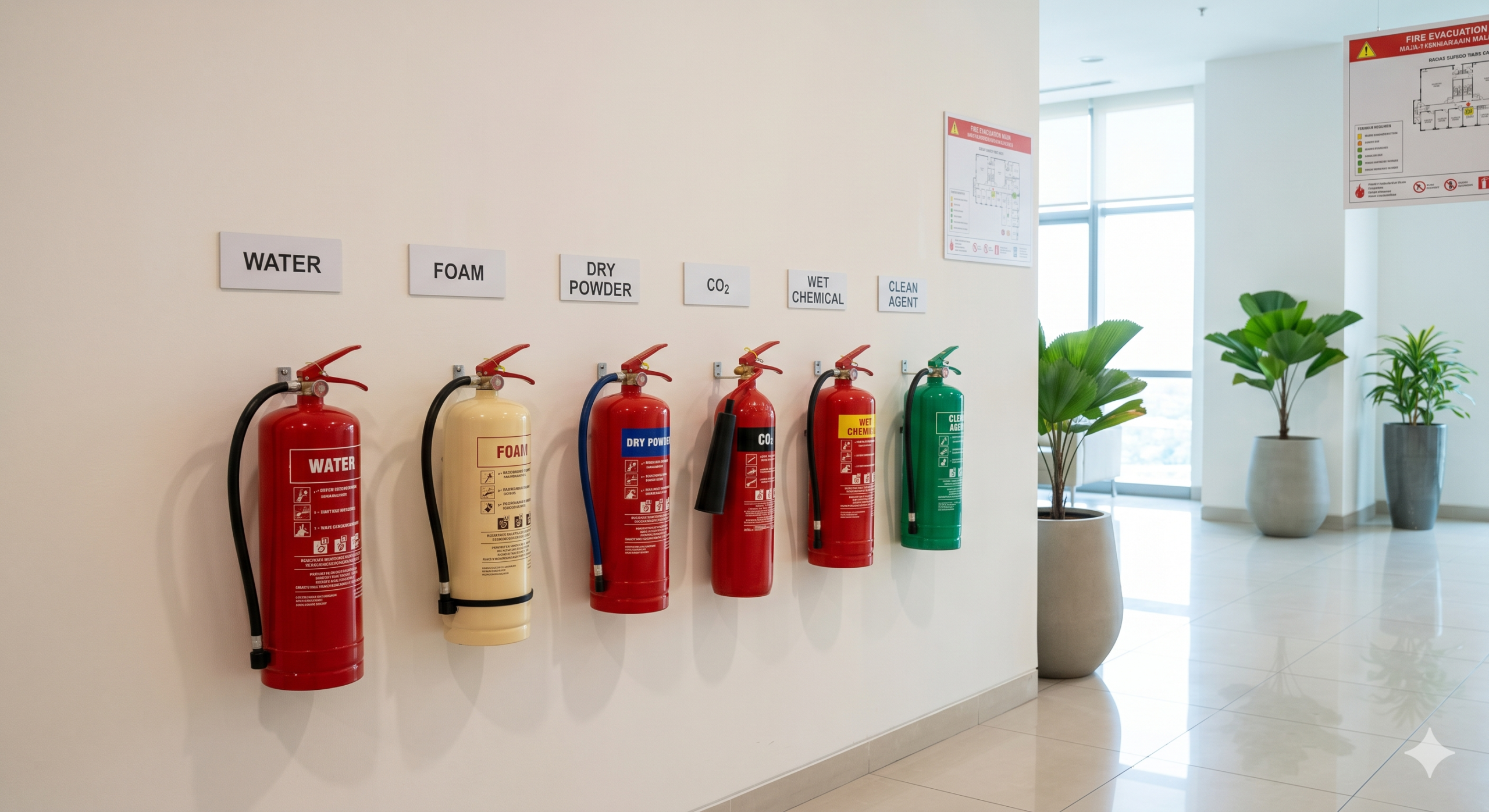
People use fire extinguishers as portable fire safety devices to control or put out small fires during the early stage of an emergency. These devices contain an extinguishing agent such as water, foam, dry powder, carbon dioxide, or wet chemical.
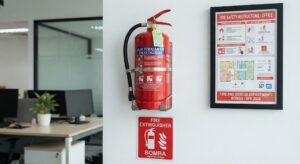
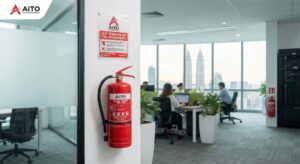
Building managers usually place fire extinguishers in visible and accessible locations such as corridors, exits, offices, kitchens, workshops, warehouses, and commercial areas. In many buildings, these devices form part of the basic fire protection system alongside fire hose reels, fire alarms, emergency lights, fire safety signs, and other firefighting equipment.
However, you should only use a fire extinguisher when the fire is still small, you have a safe escape route, and you can act safely. If the fire becomes uncontrollable, you must prioritize evacuation and emergency response.
Why Fire Extinguisher Types Matter
Not every fire starts from the same material. Some fires involve paper and wood. Others involve cooking oil, electrical equipment, flammable liquids or gas. Because of this, each fire extinguisher type is designed for specific fire classes.
Choosing the correct extinguisher type helps to:
- Reduce fire spread during the early stage
- Protect people, property and equipment
- Support workplace safety compliance
- Improve emergency preparedness
- Avoid using the wrong extinguishing agent
- Support Bomba-related fire safety requirements
For businesses, this is especially important because offices, shops, factories, restaurants, clinics, schools and warehouses may have different fire risks. Therefore, the fire extinguisher selection should match the actual environment.
Main Fire Classes You Should Know
Before choosing the right fire extinguisher, it is important to understand the main fire classes.
| Fire Class | Common Materials | Example Locations |
| Class A | Wood, paper, cloth, plastics | Offices, schools, shops, homes |
| Class B | Flammable liquids | Workshops, petrol-related areas, factories |
| Class C | Flammable gases | Industrial areas, gas storage areas |
| Class D | Combustible metals | Specialist industrial facilities |
| Class E | Electrical equipment | Server rooms, offices, control rooms |
| Class F | Cooking oil and fats | Restaurants, kitchens, food outlets |
Most commercial buildings in Malaysia commonly require protection for Class A, Class B and electrical-related fire risks. However, restaurants, factories and specialist facilities may need additional extinguisher types depending on their operations.
1. Water Fire Extinguisher
A water fire extinguisher is mainly used for Class A fires involving solid materials such as paper, wood, cloth and some plastics. It works by cooling the burning material and reducing the fire temperature.
This type of extinguisher is suitable for areas such as:
- Offices
- Schools
- Residential buildings
- General storage areas
- Public buildings
However, water fire extinguishers should not be used on electrical fires, flammable liquids or cooking oil fires. Using water in the wrong situation can be dangerous.
2. Foam Fire Extinguisher
A foam fire extinguisher is commonly used for Class A and Class B fires. It works by forming a foam layer over the burning surface, helping to cut off oxygen and reduce reignition.
- Foam extinguishers are often suitable for:
- Offices
- Shops
- Warehouses
- Commercial buildings
- Areas with limited flammable liquid risk
This type is more versatile than a water extinguisher because it can be used on certain flammable liquid fires. However, it is still important to check the label and suitability before use.
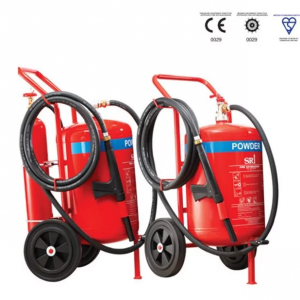
3. Dry Powder Fire Extinguisher
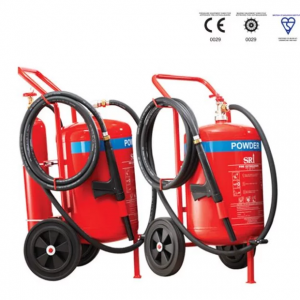
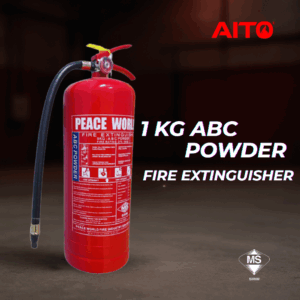
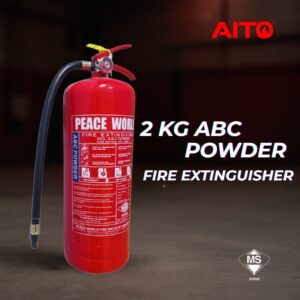
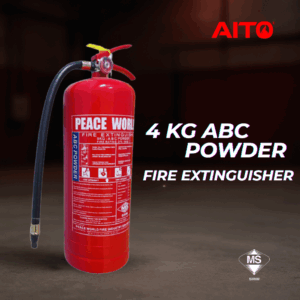
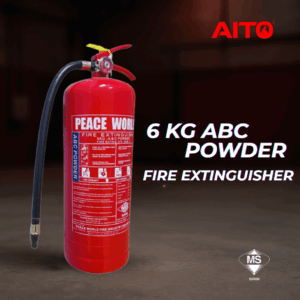
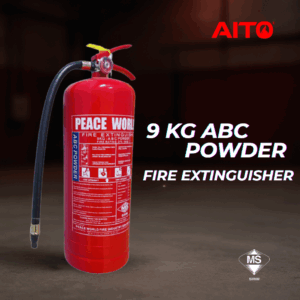
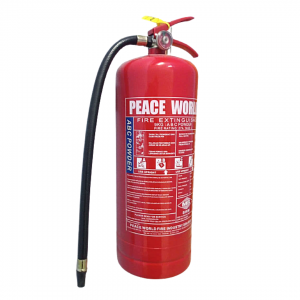
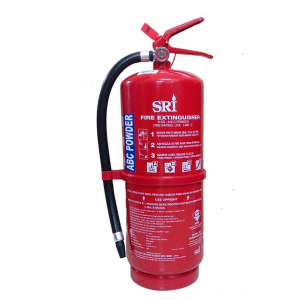
Dry powder fire extinguishers are among the most common fire extinguisher types in Malaysia. They are often used because they can cover multiple fire classes, including Class A, B and C.
Dry powder extinguishers are suitable for:
- Factories
- Workshops
- Warehouses
- Petrol-related areas
- Industrial premises
- Commercial buildings
- Vehicles and outdoor areas
They work by interrupting the chemical reaction of the fire. Because of their broad application, dry powder extinguishers are widely used in many business premises.
However, dry powder can create visibility issues during discharge and may leave residue. Therefore, it may not be ideal for sensitive electronic areas such as server rooms unless properly assessed.
4. Carbon Dioxide Fire Extinguisher
A carbon dioxide fire extinguisher, commonly known as a CO2 extinguisher, is often used for electrical fires and flammable liquid fires. It works by displacing oxygen around the fire and does not leave residue like dry powder.
CO2 extinguishers are commonly used in:
- Office areas
- Electrical rooms
- Server rooms
- Control rooms
- IT equipment areas
- Commercial buildings
This makes CO2 suitable for environments with computers, electrical panels and electronic equipment. However, CO2 extinguishers are not usually the best choice for ordinary solid material fires such as paper and wood.
5. Wet Chemical Fire Extinguisher
A wet chemical fire extinguisher is mainly used for Class F fires involving cooking oil and fats. This type is commonly found in commercial kitchens, restaurants, hotels, cafeterias and food preparation areas.
Wet chemical extinguishers work by cooling the burning oil and forming a layer that helps prevent reignition.
This type is suitable for:
- Restaurants
- Commercial kitchens
- Hotel kitchens
- Food courts
- Cafes
- Catering businesses
For food-related businesses, choosing the right extinguisher is very important because cooking oil fires can spread quickly and should not be treated like normal fires.
6. Clean Agent Fire Extinguisher
Clean agent fire extinguishers are often used in areas where sensitive equipment must be protected. They are designed to suppress fire without leaving harmful residue on electronic systems.
They may be suitable for:
- Server rooms
- Data centres
- Telecommunication rooms
- Control rooms
- Laboratories
- High-value equipment areas
Although clean agent extinguishers may cost more than standard extinguishers, they can be useful when the cost of equipment damage is high.
Whether you need specialized equipment for off-grid operations via our remote area solution or essential personal protection like a fireproof bag to secure critical files, choosing the right equipment is vital for emergency readiness.
Fire Extinguisher Types and Their Uses
| Fire Extinguisher Type | Suitable For | Common Use Area |
| Water | Class A fires | Offices, schools, homes |
| Foam | Class A and B fires | Shops, warehouses, commercial buildings |
| Dry Powder | Class A, B and C fires | Factories, workshops, vehicles |
| CO2 | Electrical and flammable liquid fires | Server rooms, offices, electrical rooms |
| Wet Chemical | Cooking oil and fat fires | Restaurants, kitchens, hotels |
| Clean Agent | Sensitive electronic equipment | Data centres, control rooms, IT rooms |
How to Choose the Right Fire Extinguisher
The right fire extinguisher depends on the fire risk inside your premises. A small office may need a different setup compared to a restaurant, warehouse or factory.
Before choosing a fire extinguisher, consider these factors:
- Type of business or building
- Common fire risks in the area
- Presence of electrical equipment
- Kitchen or cooking activities
- Flammable liquids or gases
- Building size and layout
- Bomba or authority requirements
- Maintenance and servicing schedule
For example, an office may require dry powder and CO2 extinguishers, while a restaurant may need wet chemical extinguishers for the kitchen area. Meanwhile, a factory may require a more detailed fire safety assessment depending on the materials and operations involved.
If you are unsure which extinguisher is suitable for your building, it is better to get advice from a fire safety provider before purchasing.
AITO provides fire protection solutions and fire safety equipment for businesses in Malaysia, including fire extinguishers, fire hose reels, fire safety signs, emergency lighting and related fire protection systems.
Common Fire Extinguisher Mistakes
Many buildings already have fire extinguishers, but they are not always properly selected, placed or maintained. This can reduce their effectiveness during an emergency.
Some common mistakes include:
- Using the wrong extinguisher type
- Installing too few extinguishers
- Placing extinguishers in hidden areas
- Not checking expiry or service dates
- No proper fire safety signage
- Poor staff awareness
- Blocked access to fire extinguishers
- No regular inspection or servicing
A fire extinguisher is only useful when it is accessible, suitable and ready to use. Therefore, businesses should not treat it as a one-time purchase only. Regular checking and servicing are also important.
Where Should Fire Extinguishers Be Placed?
Fire extinguishers should be placed in visible and accessible locations. They should not be hidden behind furniture, doors, boxes or equipment.
Common placement areas include:
- Near exits
- Along escape routes
- Near high-risk areas
- Office corridors
- Kitchen areas
- Electrical rooms
- Workshops
- Warehouse sections
- Reception or common areas
In addition, fire safety signs should be used to help people identify extinguisher locations quickly during an emergency.
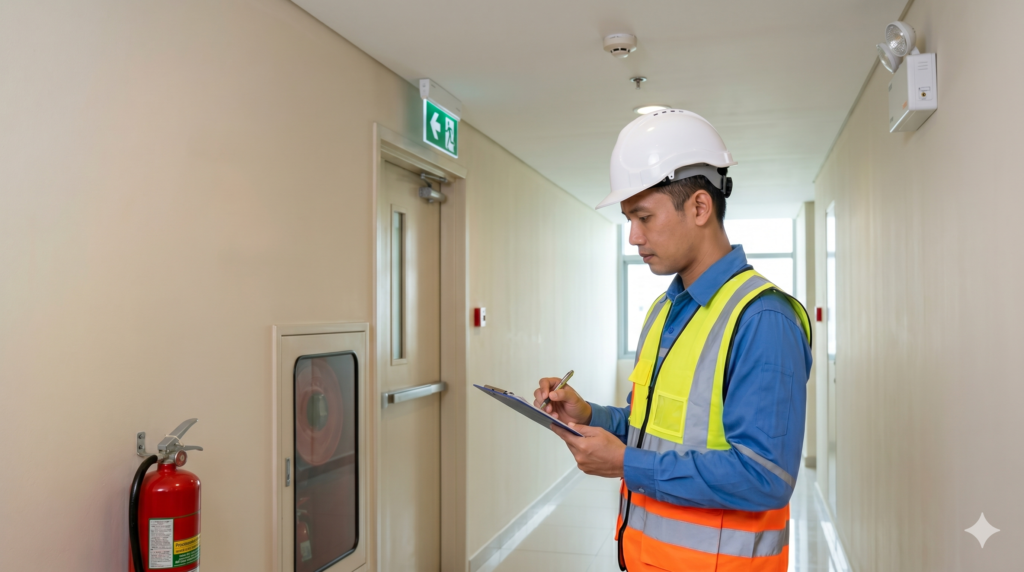
Fire Extinguisher Maintenance and Inspection
Fire extinguishers should be checked regularly to make sure they are still safe and ready to use. Over time, pressure may drop, parts may become damaged or the extinguisher may expire.
Basic inspection usually includes checking:
- Pressure gauge
- Safety pin
- Hose condition
- Cylinder condition
- Expiry or service label
- Accessibility
- Signage
- Correct placement
For businesses, proper maintenance helps support fire safety compliance and reduces the risk of equipment failure during an emergency.
Fire Extinguisher for Offices
For office environments, the common fire risks include electrical equipment, paper, furniture, computers, printers and pantry areas. Because of this, offices usually require a combination of suitable extinguishers.
Common options may include:
- Dry powder extinguisher
- CO2 extinguisher
- Foam extinguisher
CO2 is often used near electrical equipment, while dry powder or foam may be used for general areas. However, the final selection should depend on the office layout and safety assessment.
Fire Extinguisher for Shops and Retail Premises
Shops and retail premises usually have customers, stock, display shelves, electrical items and storage areas. Therefore, fire extinguishers should be easy to access and clearly marked.
Suitable fire extinguisher types may include:
- Dry powder
- Foam
- CO2
Retail businesses should also ensure that staff know where the extinguishers are located and how to respond during an emergency.
Fire Extinguisher for Restaurants and Kitchens
Restaurants, cafes and commercial kitchens have a higher risk of cooking oil fires. Therefore, wet chemical extinguishers are often important for kitchen areas.
Common extinguisher types for restaurants may include:
- Wet chemical extinguisher for cooking oil fires
- CO2 extinguisher for electrical equipment
- Dry powder or foam extinguisher for general areas
Kitchen fire risks should be taken seriously because fire can spread quickly if not controlled early.
Fire Extinguisher for Factories and Warehouses
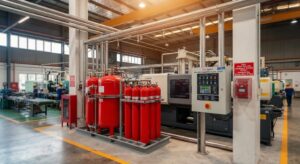
Factories and warehouses may involve larger spaces, machinery, storage materials, electrical systems, flammable liquids or industrial processes. Therefore, the fire extinguisher setup should be planned carefully.
Common types may include:
- Dry powder
- Foam
- CO2
- Clean agent
- Specialist extinguishers depending on fire risk
For industrial premises, a proper fire safety review is recommended to ensure the correct extinguisher types and placements are used.
Why Businesses in Malaysia Should Take Fire Extinguisher Selection Seriously
Fire safety is not just about fulfilling requirements. It is about protecting people, assets, operations and business continuity. A small fire can cause serious damage if the wrong extinguisher is used or if the extinguisher is not working properly.
For business owners, proper fire extinguisher planning can help:
- Improve workplace safety
- Reduce emergency risk
- Protect staff and customers
- Support insurance and compliance needs
- Reduce downtime after fire incidents
- Improve building safety readiness
Therefore, businesses should review their fire extinguisher setup regularly, especially after renovation, business expansion, layout changes or new equipment installation.
Need Fire Extinguishers for Your Building?
Secure your office, shop, restaurant, factory, warehouse, or commercial building with the right fire safety solutions from AITO.
We equip businesses across Malaysia with premium fire protection, including fire extinguishers, fire hose reels, hydrant systems, emergency lighting, and safety signage.
Whether you need new fire extinguishers, replacement units, or expert advice on selecting the right equipment for your premises, our team is ready to help you protect your property and comply with safety standards.
Request Fire Extinguisher Quotation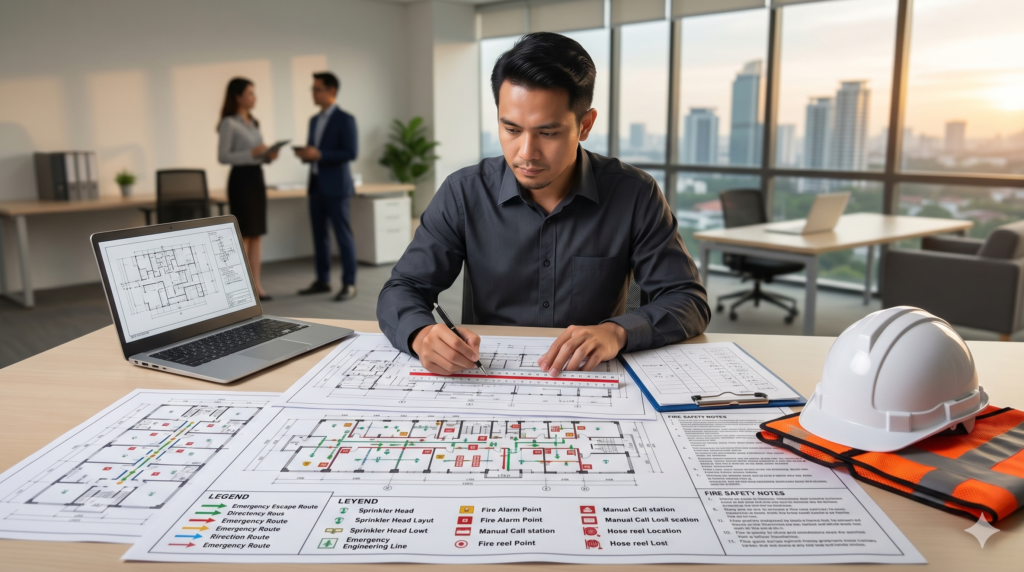
Frequently Asked Questions About Fire Extinguisher Types
What are the main fire extinguisher types?
The main fire extinguisher types include water, foam, dry powder, carbon dioxide, wet chemical and clean agent extinguishers. Each type is designed for different fire risks and fire classes.
What is the most common fire extinguisher in Malaysia?
Dry powder fire extinguishers are commonly used in Malaysia because they can cover several fire classes, including Class A, Class B and Class C fires. However, the right extinguisher still depends on the building and fire risk.
Which fire extinguisher is suitable for electrical fires?
CO2 fire extinguishers are commonly used for electrical fires because they do not leave residue. They are often placed in offices, server rooms, electrical rooms and areas with electronic equipment.
Which fire extinguisher is suitable for kitchens?
Wet chemical fire extinguishers are suitable for cooking oil and fat fires. They are commonly used in restaurants, hotel kitchens, cafeterias and commercial food preparation areas.
Can I use water fire extinguisher on electrical fire?
No. Water should not be used on electrical fires because it can create serious safety risks. For electrical fire risks, CO2 extinguishers are usually more suitable.
How do I know which fire extinguisher my building needs?
You should assess your building type, fire risks, electrical equipment, kitchen areas, flammable materials and safety requirements. For better accuracy, get advice from a fire safety provider such as AITO before choosing the extinguisher.
How often should fire extinguishers be checked?
Fire extinguishers should be checked regularly to make sure they are accessible, pressurised, undamaged and not expired. Businesses should also follow the proper servicing schedule based on safety requirements.
Where should fire extinguishers be placed?
Fire extinguishers should be placed in visible, accessible and strategic locations such as near exits, corridors, high-risk areas, kitchens, electrical rooms and common areas. They should not be blocked or hidden.