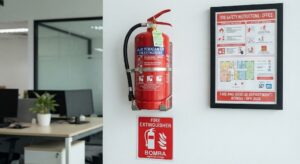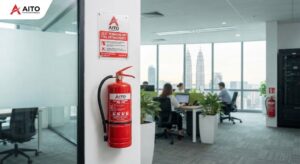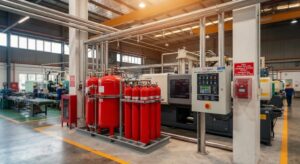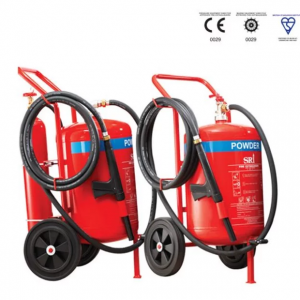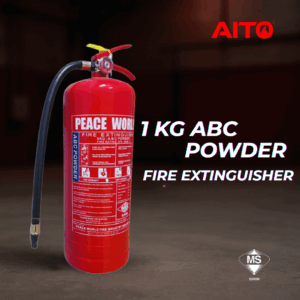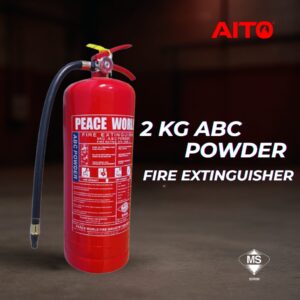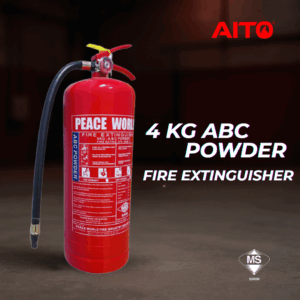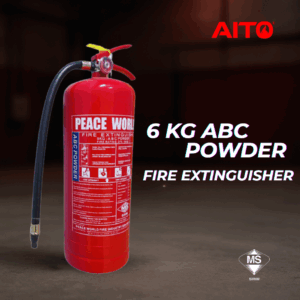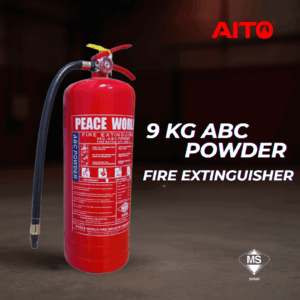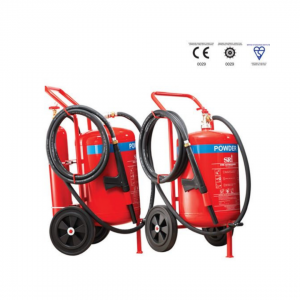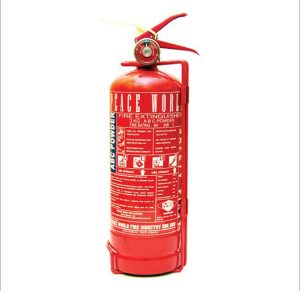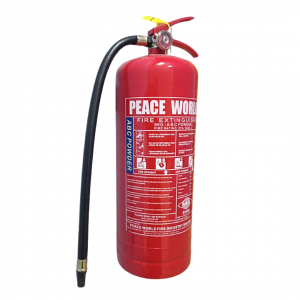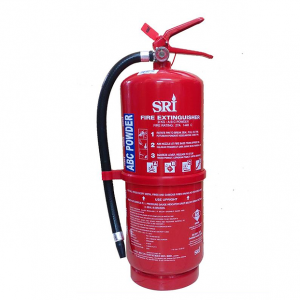
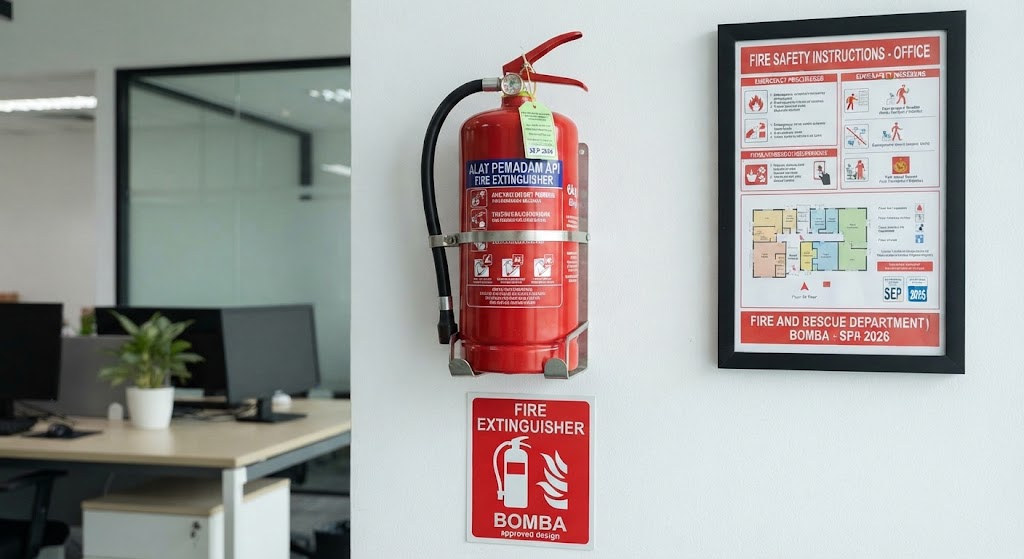
Fire extinguishers are one of the most basic fire safety tools in any business premises. They are commonly installed in offices, factories, warehouses, restaurants, retail shops, schools, clinics, workshops, and commercial buildings.
However, simply having a fire extinguisher inside a building does not automatically mean the premises is well protected.
Many businesses make common fire extinguisher mistakes without realising it. These mistakes can affect emergency response, increase fire risk, and create safety issues for employees, customers, visitors, and building occupants.
A fire extinguisher must be suitable, accessible, visible, properly maintained, and easy to use during an emergency. If it is expired, blocked, damaged, wrongly placed, or unsuitable for the fire risk, it may not help when it is needed most.
This article explains the common fire extinguisher mistakes businesses in Malaysia should avoid and what can be done to improve workplace fire safety.
For fire extinguisher supply, inspection, and fire protection solutions, you can visit AITO Fire Protection Malaysia.
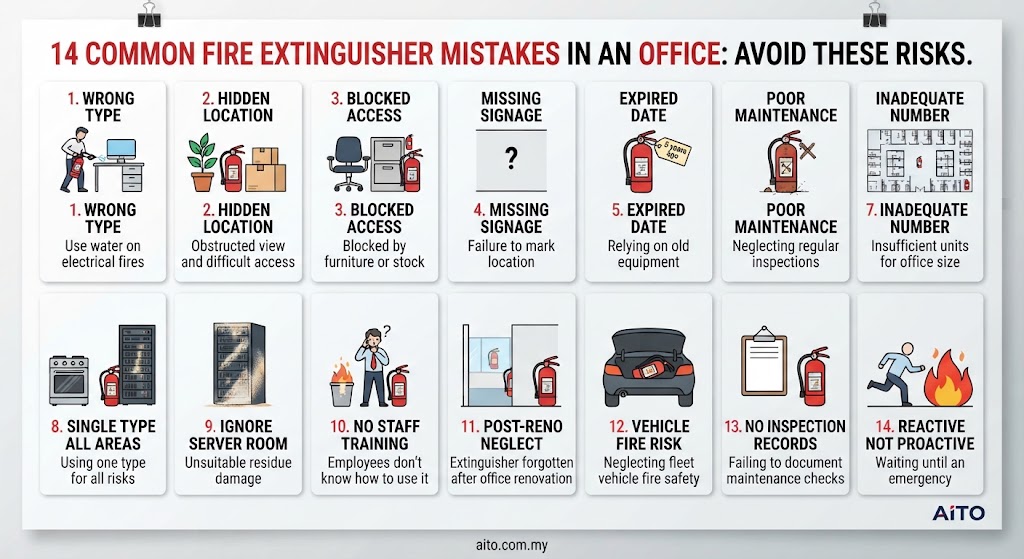
Mistake 1: Choosing the Wrong Type of Fire Extinguisher
One of the most common mistakes is choosing a fire extinguisher without understanding the fire risk of the premises.
Different fire risks require different extinguisher types. For example, an office, restaurant kitchen, server room, warehouse, vehicle, and factory may not need the same extinguisher.
A water extinguisher may be suitable for certain ordinary combustible materials, but it should not be used on electrical equipment or cooking oil fires. A wet chemical extinguisher is commonly used for commercial kitchen fires involving cooking oil and fats. A CO2 or clean agent extinguisher may be more suitable for electrical or sensitive equipment areas.
Choosing the wrong extinguisher can make fire response less effective. In some cases, it can also make the situation more dangerous.
Businesses should select fire extinguishers based on the actual fire risk in each area of the premises.
You can also read AITO’s guide on Jenis-Jenis Alat Pemadam Api to understand different extinguisher categories.
Mistake 2: Placing Fire Extinguishers in Hidden Areas
A fire extinguisher should be easy to find during an emergency.
Some businesses place extinguishers behind doors, inside storage rooms, under counters, behind furniture, or in areas that are difficult to see. This can delay emergency response because staff or occupants may waste time searching for the extinguisher.
During a fire, every second matters.
Fire extinguishers should be placed in visible and accessible locations such as corridors, exits, common areas, kitchens, electrical rooms, storage areas, and other higher-risk zones.
The location should be practical and easy to access without blocking walkways or emergency routes.
Mistake 3: Blocking Fire Extinguishers with Stock or Furniture
Even if a fire extinguisher is installed in the correct area, it becomes ineffective if it is blocked.
This often happens in warehouses, shops, offices, and factories where boxes, stock, equipment, furniture, renovation items, or display racks are placed in front of the extinguisher.
A blocked extinguisher may cause delays during an emergency. Staff may not be able to reach it quickly, or they may not even notice it.
Businesses should regularly check that all fire extinguishers are free from obstruction.
A simple weekly walk-through can help ensure extinguishers remain visible, accessible, and ready for use.
Mistake 4: Not Using Proper Fire Extinguisher Signage
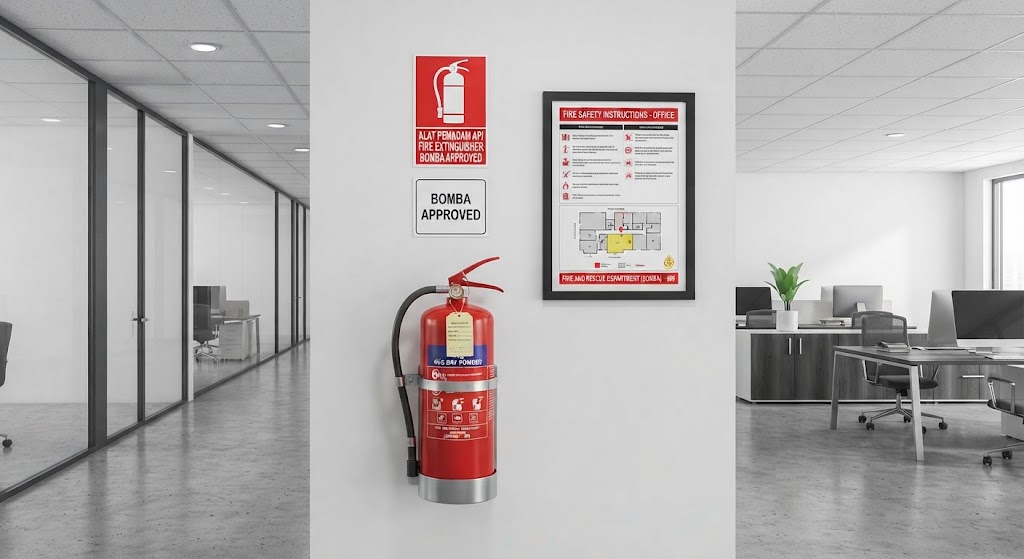
Fire extinguisher signage helps people locate the extinguisher quickly.
Without proper signage, a fire extinguisher may be difficult to identify, especially in larger premises, storage areas, factories, or buildings with many rooms and corridors.
Signage is also useful for new employees, visitors, contractors, and people who are not familiar with the building layout.
Good signage should be clear, visible, and placed near the extinguisher location. It should not be covered, damaged, faded, or blocked.
You can read more about this in AITO’s guide on Fire Extinguisher Signage Malaysia.
Mistake 5: Keeping Expired Fire Extinguishers
An expired fire extinguisher may not perform properly during an emergency.
Over time, an extinguisher can lose pressure, develop leakage, suffer cylinder damage, or become unsuitable for use. If a business does not check the expiry date or service tag, the extinguisher may remain on-site even though it is no longer reliable.
This is risky because the extinguisher may fail when someone tries to use it.
Businesses should check the expiry date, service tag, pressure gauge, safety pin, hose, nozzle, and cylinder condition regularly.
If an extinguisher is expired, damaged, discharged, or not in good condition, it should be serviced or replaced by a suitable fire protection supplier.
Mistake 6: Not Maintaining Fire Extinguishers Regularly
Fire extinguisher maintenance should not be ignored.
A fire extinguisher may look fine from the outside, but it still needs regular inspection to ensure it is ready for emergency use.
Maintenance checks may include:
- Pressure gauge condition
- Safety pin and seal
- Hose and nozzle
- Cylinder body
- Service tag
- Expiry date
- Weight
- Rust or corrosion
- Leakage signs
- Accessibility
- Signage visibility
Regular maintenance helps identify problems before an emergency happens.
Businesses should avoid treating fire extinguishers as one-time purchases. They are safety equipment that must be checked and maintained throughout their service life.
Mistake 7: Installing Too Few Fire Extinguishers
Some businesses install only one fire extinguisher and assume it is enough for the whole premises.
This may not be suitable, especially for larger spaces or premises with multiple risk areas.
A building may have several different zones, such as reception, office area, pantry, kitchen, storage room, electrical room, production area, and loading bay. Each area may require suitable coverage based on the fire risk and accessibility.
If there are too few extinguishers, people may need to travel too far to reach one during an emergency.
Businesses should assess the building layout and ensure extinguishers are placed at suitable points throughout the premises.
Mistake 8: Using One Extinguisher Type for Every Area
Another common mistake is using the same extinguisher type for every part of the business.
This may not be suitable because different areas can have different fire risks.
For example, a restaurant may need a wet chemical extinguisher for the kitchen, but a CO2 extinguisher may be more suitable near electrical equipment. A factory may need dry powder, foam, CO2, or clean agent extinguishers depending on the risks in different zones.
Using one extinguisher type for all areas may leave certain risks poorly protected.
The better approach is to match extinguisher types to the specific fire risk in each area.
For more guidance, you can read How to Choose the Right Fire Extinguisher for Your Business in Malaysia.
Mistake 9: Ignoring Electrical and Server Room Risks
Electrical rooms, control panels, server rooms, IT rooms, and data areas need careful fire extinguisher selection.
Using an extinguisher that leaves residue may damage sensitive equipment or create additional recovery costs.
For these areas, CO2 or clean agent extinguishers are commonly considered because they do not leave powder or water residue.
However, the correct choice depends on the room size, ventilation, equipment value, fire risk, and overall fire protection design.
Businesses with important IT systems should not treat server room fire protection the same as general office areas.
Professional advice is recommended for sensitive equipment zones.
Mistake 10: Not Training Staff on Basic Fire Safety Awareness
Having fire extinguishers is not enough if staff do not know where they are or how to respond during an emergency.
Employees should know:
- Where fire extinguishers are located
- How to identify emergency exits
- Who to contact during a fire
- When to evacuate
- When not to attempt firefighting
- How to report blocked or damaged extinguishers
Not every employee needs to become a firefighter. However, basic fire safety awareness can improve emergency response and reduce panic.
If the fire is already spreading, the priority should always be safety, evacuation, and contacting emergency services.
Mistake 11: Forgetting to Review Fire Extinguishers After Renovation
Business premises can change over time.
A company may add new rooms, move furniture, install equipment, expand storage areas, create a pantry, renovate the layout, or change how the premises is used.
When this happens, the existing fire extinguisher setup may no longer be suitable.
For example, an extinguisher that was once visible may become hidden after renovation. A new electrical room may need additional protection. A new cooking area may require a different extinguisher type.
Businesses should review fire extinguisher placement and suitability after any major layout or operational change.
Mistake 12: Not Checking Vehicle Fire Extinguishers
Businesses that operate vehicles should not ignore vehicle fire safety.
Company cars, vans, lorries, delivery vehicles, service vehicles, forklifts, and machinery may all carry fire risk.
A vehicle extinguisher should be suitable, properly mounted, easy to reach, and checked regularly.
If it is loose, expired, damaged, or stored in the wrong place, it may not be useful during an emergency.
Businesses with commercial vehicles or company fleets should include vehicle fire extinguishers as part of their safety checklist.
You can also read AITO’s guide on Car Fire Extinguisher Malaysia.
Mistake 13: Not Keeping Fire Extinguisher Records
Businesses should keep basic records of fire extinguisher inspection, servicing, replacement, and maintenance.
Good records help business owners, safety officers, facility managers, and building operators monitor the condition of each extinguisher.
Records may include:
- Extinguisher location
- Extinguisher type
- Service date
- Expiry date
- Inspection findings
- Replacement history
- Maintenance provider
- Notes on damage or issues
Without records, it is easy to miss expired units or forget when the next service is due.
Mistake 14: Waiting Until an Emergency to Take Fire Safety Seriously
Fire safety should be managed before an emergency happens.
Some businesses only check their extinguishers after an inspection, incident, tenant complaint, or fire safety concern. This reactive approach can create unnecessary risk.
A better approach is to treat fire extinguisher management as part of regular building maintenance.
Business owners should ensure that extinguishers are suitable, accessible, visible, maintained, and supported by proper signage.
For general fire safety information, businesses may refer to the official Fire and Rescue Department of Malaysia BOMBA.
For workplace safety guidance, businesses may also refer to the Department of Occupational Safety and Health Malaysia DOSH.
How AITO Can Help
AITO provides fire extinguisher and fire protection solutions for businesses, commercial buildings, industrial facilities, and vehicle-related needs in Malaysia.
The team can assist with fire extinguisher supply, inspection, consultation, and suitable fire protection equipment based on your premises and fire risk areas.
Whether your business operates an office, factory, warehouse, restaurant, server room, retail shop, workshop, or vehicle fleet, AITO can help you choose and maintain suitable fire safety equipment.
To learn more, visit AITO Fire Protection Malaysia.
Conclusion
Fire extinguishers are important, but they must be selected, placed, maintained, and managed correctly.
Common mistakes such as choosing the wrong extinguisher, blocking access, ignoring expired units, using poor signage, or failing to review fire risks can reduce the effectiveness of your fire safety setup.
For businesses in Malaysia, proper fire extinguisher management helps protect people, reduce property damage, and improve emergency preparedness.
By avoiding these common mistakes, business owners and facility managers can create a safer workplace and respond more effectively during the early stage of a fire.
FAQ: Fire Extinguisher Mistakes Businesses Should Avoid
What is the most common fire extinguisher mistake?
One common mistake is choosing the wrong extinguisher type for the fire risk. Different areas such as kitchens, offices, server rooms, factories, and warehouses may require different extinguisher types.
Can a fire extinguisher be placed behind furniture or stock?
No. A fire extinguisher should not be blocked. It must be visible, accessible, and easy to reach during an emergency.
Why is fire extinguisher signage important?
Fire extinguisher signage helps people quickly identify the extinguisher location during an emergency. This is especially important in larger buildings, factories, warehouses, and commercial premises.
How do I know if a fire extinguisher is expired?
You should check the expiry date, service tag, pressure gauge, cylinder condition, and any signs of leakage or damage. If unsure, ask a fire protection supplier to inspect it.
Should offices and kitchens use the same fire extinguisher?
Not necessarily. Offices and kitchens have different fire risks. Kitchens may require wet chemical extinguishers for cooking oil fires, while offices may require extinguishers suitable for paper, furniture, and electrical risks.
How often should businesses inspect fire extinguishers?
Businesses should check fire extinguishers regularly to ensure they are accessible, properly pressurised, undamaged, and ready for use. Scheduled maintenance should also be arranged with a suitable fire protection provider.
Who can help inspect and supply fire extinguishers in Malaysia?
AITO provides fire extinguisher supply, inspection, consultation, and fire protection solutions for businesses and buildings in Malaysia.