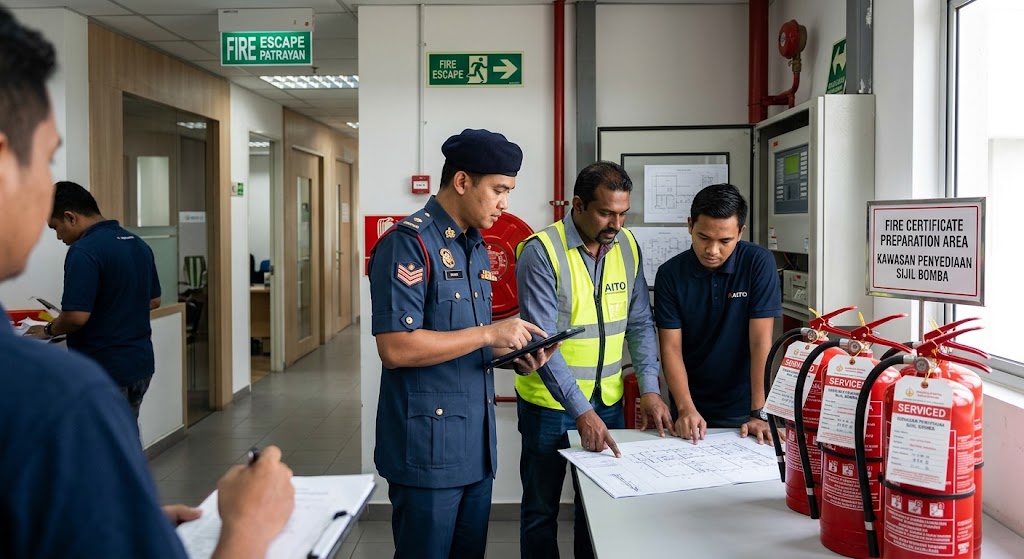
Fire Certificate BOMBA Malaysia is an important requirement for certain buildings and business premises that need to meet fire safety standards before operating safely.
For many business owners, building managers, developers, tenants and facility teams, the Fire Certificate process can become stressful when business owners face delays. In many cases, delays happen not because of one major issue, but because businesses fail to prepare several small fire safety items properly.
These may include missing documents, expired fire extinguishers, blocked emergency routes, unclear signage, incomplete maintenance records, or fire protection systems that fail to meet inspection readiness.
This guide explains the common reasons Fire Certificate applications may get delayed in Malaysia and what businesses can do to prepare better before inspection.
For fire protection solutions, fire extinguisher supply, servicing, signage and fire safety equipment, you can visit AITO Fire Protection Malaysia.
What Is a Fire Certificate?
A Fire Certificate is related to fire safety compliance for certain premises and buildings. It shows that authorities have reviewed the relevant fire safety requirements, systems, and equipment according to the applicable process.
The Fire Certificate process may involve fire safety inspection, documents, system checks and verification of building readiness.
For businesses, this is important because delays may affect:
- Business opening
- Building handover
- Tenant operations
- Renovation approval process
- Fire safety compliance planning
- Renewal preparation
- Occupancy readiness
A Fire Certificate should not be treated as a last-minute task. It should be planned early together with proper fire safety preparation.
Why Fire Certificate Applications Get Delayed
Fire Certificate applications may be delayed when the premises is not ready for inspection or when supporting documents are incomplete.
Common delay factors include:
- Incomplete application information
- Missing supporting documents
- Fire extinguishers not serviced
- Fire safety signage missing
- Emergency exits blocked
- Fire alarm system issues
- Hose reel or fire protection system issues
- Poor housekeeping
- Incomplete maintenance records
- Building layout changes not updated
- No clear person in charge during inspection
Most of these problems can be avoided if businesses conduct an internal fire safety review before submitting or preparing for inspection.
Incomplete or Incorrect Documents
One of the most common reasons for delay is incomplete documentation.
A business may have installed fire protection equipment, but if the required records or supporting documents are not ready, the process may still slow down.
Documents that businesses may need or find useful during preparation can include:
- Application form
- Premises information
- Fire protection system records
- Maintenance records
- Testing records where applicable
- Fire extinguisher service records
- Previous Fire Certificate record where applicable
- Layout or building information
- Supporting documents that the relevant authority requests
The required documents may differ depending on the premises and situation. Therefore, the responsible person should check the latest requirements early.
For official information, businesses may refer to the Fire and Rescue Department of Malaysia BOMBA.
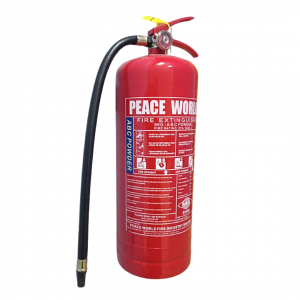
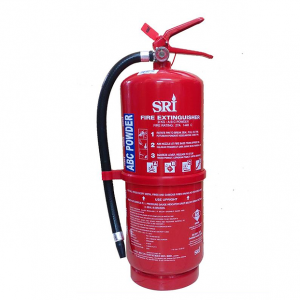
Fire Extinguishers Are Expired or Not Serviced
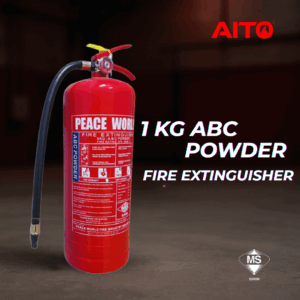
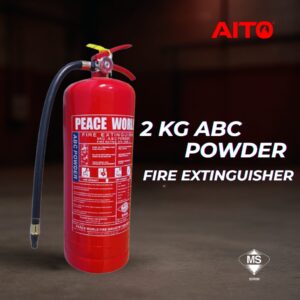
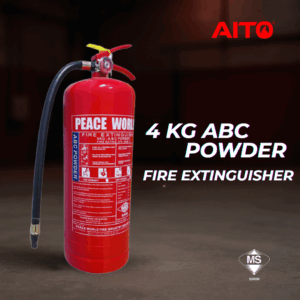
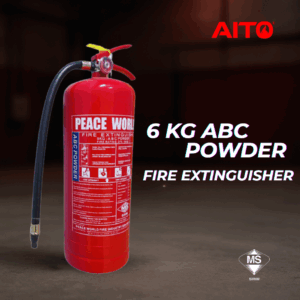
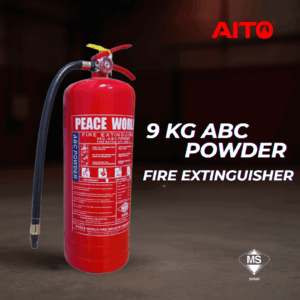
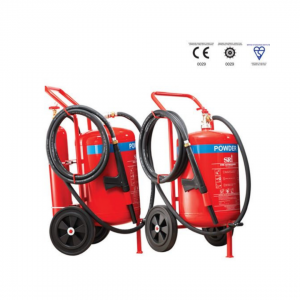
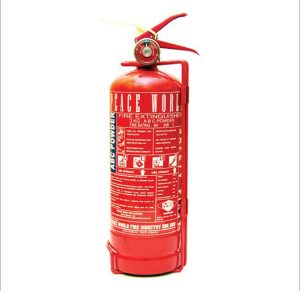
Fire extinguishers are basic fire safety equipment, but they are often overlooked before inspection.
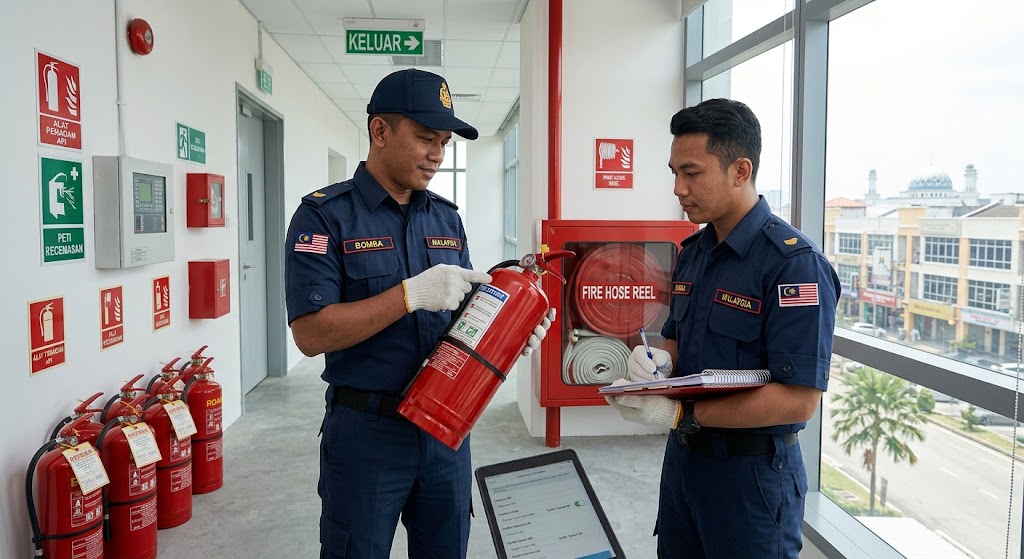
Businesses may face process issues if extinguishers are:
- Expired
- Under-pressurised
- Missing service tags
- Damaged
- Blocked
- Placed in the wrong area
- Not suitable for the fire risk
- Missing signage
- Difficult to access
Businesses should check every extinguisher before inspection. The extinguisher should be visible, accessible, properly serviced and suitable for the surrounding fire risk.
You can read AITO’s guide on Jenis-Jenis Alat Pemadam Api to understand common fire extinguisher types used in Malaysia.
Fire Safety Signage Is Missing or Unclear
Fire safety signage helps people locate fire equipment and emergency routes quickly.
Missing or unclear signage can create safety concerns because building occupants may not know where to find extinguishers, exits or emergency equipment during a fire.
Common signage issues include:
- Missing fire extinguisher signage
- Faded signs
- Signs blocked by furniture or stock
- Exit signs not visible
- Signs placed too low or too far from equipment
- Emergency route signage not clear
- Wrong or inconsistent signage placement
Before inspection, businesses should walk through the premises and check whether fire safety signs are visible and easy to understand.
You can also read AITO’s guide on Fire Extinguisher Signage Malaysia.
Emergency Exits Are Blocked
Blocked emergency exits are one of the most serious fire safety issues.
Even if fire extinguishers and alarm systems are available, people still need a safe way to escape during an emergency.
Fire Certificate preparation may be affected if emergency exits or escape routes are blocked by:
- Boxes
- Stock
- Furniture
- Renovation materials
- Cleaning tools
- Display items
- Locked doors
- Temporary storage
- Machinery or equipment
Emergency routes should remain clear at all times.
Businesses should not only clear them before inspection. They should make sure employees understand that exits and escape routes must never be used as storage areas.
Fire Alarm System Is Not Ready
For many buildings, the fire alarm system is an important part of fire safety readiness.
If the fire alarm system is not working properly or has visible faults, it may create inspection issues.
Businesses and building teams should check:
- Fire alarm panel condition
- Manual call points
- Alarm sounders
- Visual indicators where applicable
- Fault indicators
- Testing records
- Maintenance records
- Access to fire alarm panel
- Clear labelling
If the fire alarm panel shows a fault, it should be checked before inspection.
A fire alarm system should not be ignored until the inspection day.
Hose Reel System Issues
Hose reel systems are common in many commercial and industrial buildings.
A delay may happen if the hose reel system is not ready, not accessible or not properly maintained.
Common hose reel issues include:
- Hose reel cabinet blocked
- Hose damaged
- Nozzle missing or damaged
- Water supply issue
- Hose reel not accessible
- Cabinet signage missing
- Maintenance record unavailable
- Poor housekeeping around hose reel areas
Before inspection, the building team should check that hose reels are accessible, visible and properly maintained.
If any issue is found, it should be corrected early.
Fire Protection System Not Maintained
Some premises require more than portable extinguishers and hose reels.
Depending on the building type, fire protection systems may include sprinklers, fire pumps, hydrants, smoke control systems, emergency lighting, exit signage and other safety systems.
Authorities may delay a Fire Certificate application if systems fail to meet readiness standards or if teams leave records incomplete.
Businesses should check whether:
- Fire protection systems are maintained
- Testing records are available
- Equipment access is clear
- System rooms are clean
- Signage and labels are visible
- Faults are resolved before inspection
- Maintenance contractors have updated the records
Fire protection systems should be treated as active safety systems, not just building features.
Fire Pump Room Is Used as Storage
A fire pump room or system room should not be used as a storage area.
However, in many buildings, pump rooms or service rooms are sometimes filled with boxes, tools, cleaning items or unused materials.
This can create problems because fire protection equipment must remain accessible.
Before inspection, check whether:
- Pump room access is clear
- Equipment is not blocked
- The room is clean
- Signage is visible
- Maintenance records are available
- Unrelated items are removed
- The responsible person knows the system status
A clean and accessible system room shows better fire safety readiness.
Poor Housekeeping Around Fire Safety Equipment
Poor housekeeping can affect the Fire Certificate process because it shows that the premises may not be properly maintained.
Common housekeeping problems include:
- Stock blocking fire extinguishers
- Boxes near electrical panels
- Waste materials near exits
- Loose cables along walkways
- Paper or cardboard stored near heat sources
- Items placed in risers or staircases
- Storage inside electrical rooms
- Packaging materials blocking fire equipment
Good housekeeping helps reduce fire risk and improves emergency access.
Before inspection, businesses should remove unnecessary items from fire safety areas, exits, corridors, staircases and equipment zones.
Building Layout Changes Were Not Reviewed
Fire safety planning should match the current building layout.
If a premises has been renovated or changed, the original fire safety arrangement may no longer be suitable.
Examples of changes that may affect fire safety include:
- New rooms added
- Walls or partitions installed
- Exit routes changed
- Storage areas expanded
- Kitchen or pantry added
- Electrical room added
- Server room created
- Mezzanine floor added
- Factory production layout changed
- Retail display layout changed
If the layout changes but fire safety systems are not reviewed, inspection issues may happen.
Businesses should review fire protection equipment after any renovation or major layout change.
Wrong Fire Extinguisher Type for the Risk Area
Different areas may require different extinguisher types.
For example:
- Electrical rooms may require extinguishers suitable for electrical risks
- Commercial kitchens may require protection for cooking oil and fats
- Warehouses may require coverage based on stored materials
- Offices may require protection for documents, furniture and electrical equipment
- Server rooms may require residue-free options where suitable
- Factories may require different extinguishers for different risk zones
If the extinguisher type does not match the risk, the premises may not be properly prepared.
This is why businesses should not buy fire extinguishers based only on price or availability.
No Clear Person in Charge
Another common issue is poor coordination.
During inspection or preparation, there should be a clear person in charge who understands the premises, documents, equipment locations and maintenance records.
Without a responsible person, the process can become slow and confusing.
The person in charge should know:
- Where documents are kept
- Where fire equipment is located
- Which systems have been serviced
- Which issues have been fixed
- Who to contact for technical support
- What areas need to be shown during inspection
Good coordination can reduce delay and help the process run more smoothly.
How Businesses Can Prepare Earlier
Businesses can reduce Fire Certificate delays by preparing early.
Recommended preparation steps include:
- Review documents and records
- Check all fire extinguishers
- Check fire extinguisher signage
- Clear emergency exits and corridors
- Review fire alarm panel condition
- Check hose reel accessibility
- Check electrical rooms and high-risk areas
- Remove storage from fire equipment areas
- Prepare maintenance records
- Assign a person in charge
- Get support from a fire protection provider if needed
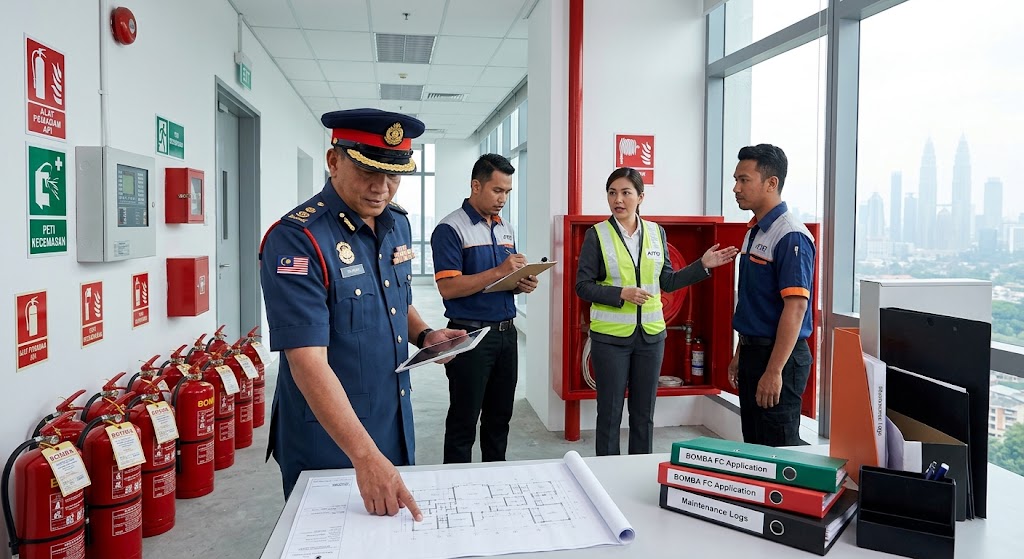
The earlier these checks are done, the easier it is to fix problems before inspection.
Fire Certificate Preparation for Different Premises
Different premises may have different fire safety concerns.
- For offices, common issues may include electrical rooms, pantry areas, office partitions and blocked extinguishers.
- For warehouses, common issues may include stock blocking fire equipment, rack layout changes and storage risks.
- For factories, common issues may include machinery areas, chemical storage, production layout and loading bays.
- For restaurants, common issues may include cooking oil risks, gas systems, kitchen equipment and exhaust areas.
- For commercial buildings, common issues may include common areas, fire alarm systems, hose reels, emergency exits and building management records.
Businesses should prepare based on their own premises type and actual risk.
How AITO Can Help
AITO provides fire protection solutions, fire extinguisher supply, servicing, inspection support, signage and fire safety equipment for businesses and buildings in Malaysia.
If your business is preparing for Fire Certificate application, renewal or BOMBA inspection, AITO can assist with checking fire extinguishers, improving signage, reviewing equipment readiness and supporting practical fire safety preparation.
AITO supports different types of premises, including offices, factories, warehouses, restaurants, retail shops, workshops, commercial buildings and industrial facilities.
To learn more, visit AITO Fire Protection Malaysia.
Conclusion
Fire Certificate BOMBA applications can be delayed when businesses are not fully prepared.
Common reasons include incomplete documents, expired fire extinguishers, missing signage, blocked emergency exits, fire alarm issues, hose reel problems, poor housekeeping and unclear maintenance records.
The best way to reduce delays is to prepare early, check fire protection equipment, organise documents and fix obvious issues before inspection.
By working with a reliable fire protection provider, businesses in Malaysia can improve fire safety readiness and reduce the risk of unnecessary delays during the Fire Certificate process.
FAQ: Fire Certificate BOMBA Malaysia
Why do Fire Certificate applications get delayed?
Applications may be delayed due to incomplete documents, unserviced fire extinguishers, missing signage, blocked exits, system issues, poor housekeeping or incomplete maintenance records.
What should businesses check before Fire Certificate inspection?
Businesses should check fire extinguishers, signage, emergency exits, hose reels, fire alarm systems, maintenance records, electrical rooms and high-risk areas.
Can expired fire extinguishers delay the process?
Yes. Expired or unserviced fire extinguishers may affect fire safety readiness and should be serviced or replaced before inspection.
Why is fire safety signage important?
Fire safety signage helps people locate extinguishers, exits and emergency equipment quickly during an emergency. Missing or unclear signage may create safety concerns.
Should emergency exits be checked before inspection?
Yes. Emergency exits and escape routes must be clear, accessible and not blocked by stock, furniture or temporary items.
Who can help businesses prepare for Fire Certificate inspection?
A fire protection provider such as AITO can help check fire extinguishers, signage, equipment readiness and practical fire safety preparation.
Where can businesses get official fire safety information?
Businesses can refer to the official Fire and Rescue Department of Malaysia website at https://www.bomba.gov.my/ for official fire safety information and updates.