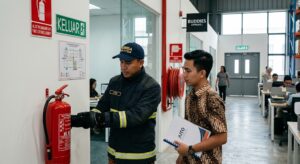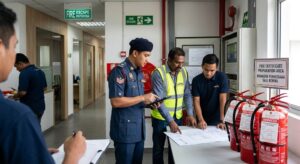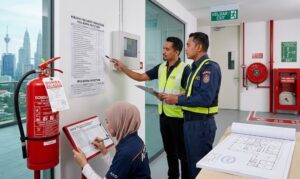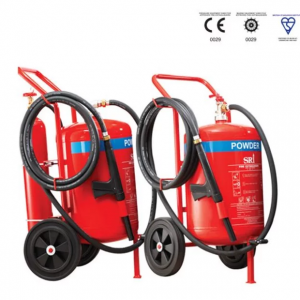
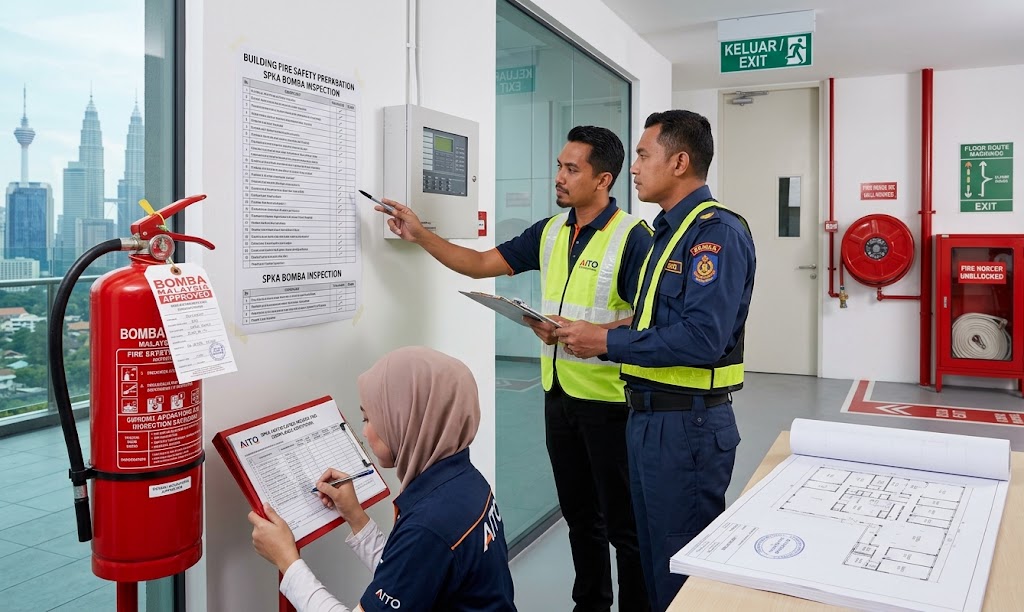
SPKA system Malaysia is an important topic for building owners, developers, contractors, consultants and businesses involved in fire protection submission and fire safety compliance.
For many projects, fire protection is not only about installing equipment at the end of construction. It must be planned, submitted, reviewed, installed, tested and maintained properly.
If the fire protection submission or supporting preparation is not managed well, it may lead to delays, rework, additional costs or difficulties during inspection.
This guide explains what businesses and building owners should know about SPKA system Malaysia, why fire protection submission matters, and how to prepare fire safety systems more effectively.
For fire protection solutions, fire extinguisher supply, fire safety equipment and system support, you can visit AITO Fire Protection Malaysia.
What Is SPKA System Malaysia?
SPKA is related to fire protection system submission and fire safety documentation processes in Malaysia.
In practical terms, it is commonly connected to the way fire protection system information, plans or related submission details are prepared for authority review.
For building owners and project teams, SPKA should not be treated as a simple administrative step. It is part of a wider fire safety process that affects system design, documentation, installation, inspection and compliance readiness.
Because fire protection involves life safety, the submission process should be handled carefully and supported by accurate building information.
Why SPKA Matters for Building Owners
SPKA matters because fire protection systems must be properly reviewed and aligned with the building’s usage, layout, risk level and safety requirements.
If the fire protection submission is incomplete or inaccurate, it may affect the project timeline.
Possible issues include:
- Submission delays
- Additional clarification requests
- Incorrect system information
- Fire protection layout mismatch
- Missing supporting documents
- Inspection preparation issues
- Delayed approval process
- Rework for contractors or consultants
- Difficulty during building handover
For business owners, this can also affect when the premises can be used, renovated, occupied or prepared for operations.
Who Should Understand SPKA?
SPKA is relevant to different parties involved in building fire protection and compliance preparation.
This may include:
- Building owners
- Developers
- Main contractors
- Fire protection contractors
- Consultants
- Architects
- Facility managers
- Property managers
- Safety officers
- Commercial building operators
- Factory owners
- Warehouse operators
- Business tenants
Even if the business owner is not personally handling the submission, they should still understand the fire safety items involved because the actual building condition must match the approved or submitted fire protection arrangement.
SPKA and Fire Protection Planning
A good SPKA submission depends on proper fire protection planning.
Fire protection planning may involve different systems and equipment depending on the building type.
This may include:
- Fire extinguishers
- Hose reel systems
- Fire alarm systems
- Sprinkler systems
- Fire hydrants
- Fire pumps
- Emergency lighting
- Exit signage
- Fire doors
- Smoke control systems where applicable
- Fireman intercom systems where applicable
- Fire safety drawings and documentation
The exact fire protection requirement depends on the building use, size, layout, risk and applicable authority requirements.
Businesses can refer to the official Fire and Rescue Department of Malaysia BOMBA for official fire safety information.
Common SPKA Preparation Issues
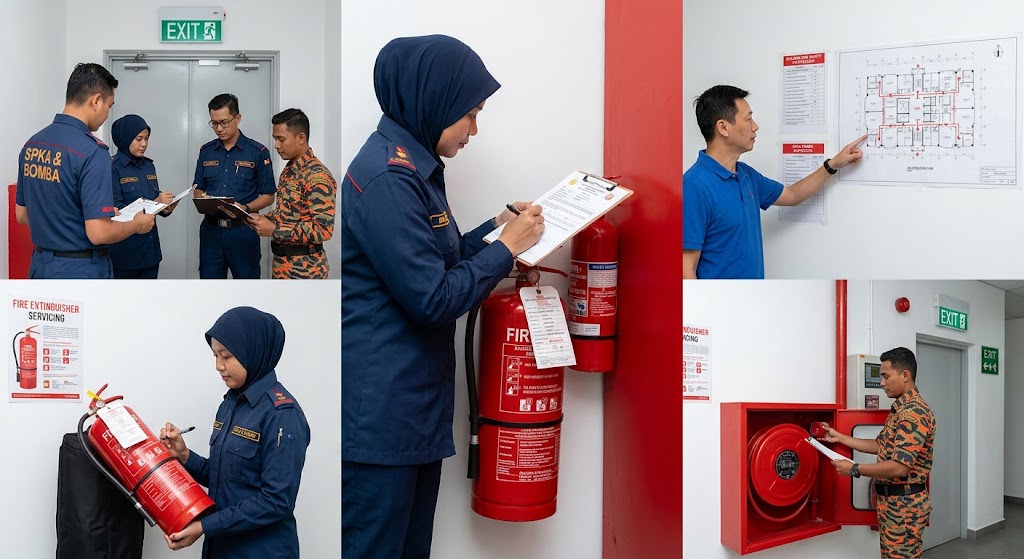
Many SPKA-related problems happen because preparation is done too late or without proper coordination.
Common issues may include:
- Incomplete system details
- Outdated drawings
- Building layout changes not reflected in documents
- Fire protection equipment not matching the actual site condition
- Missing supporting documents
- Poor coordination between contractor and consultant
- Delayed testing and commissioning
- Fire equipment not installed in the correct location
- Maintenance records not prepared
- Inspection readiness issues
These issues can slow down the overall process and create unnecessary stress for the project team.
Fire Protection Systems Should Match the Building Use
One important part of fire protection submission is making sure the system matches the building use.
For example, a warehouse, factory, office, retail shop, restaurant, hotel, school, commercial building or industrial facility may have different fire risks.
A warehouse may need attention on storage arrangement, hose reel coverage, hydrant access and fire extinguisher placement.
A restaurant may need proper fire protection around cooking areas, gas-related risks and kitchen equipment.
A factory may need fire protection planning for machinery, production zones, chemicals, electrical systems and storage areas.
The submission should reflect the actual building use and risk. If the use changes, fire protection planning may also need to be reviewed.
Fire Extinguishers and SPKA Readiness
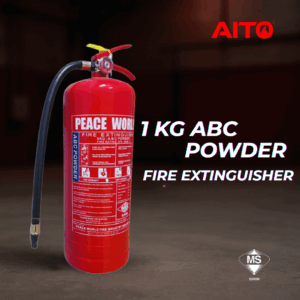
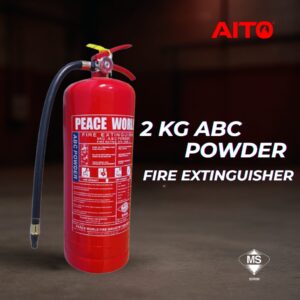
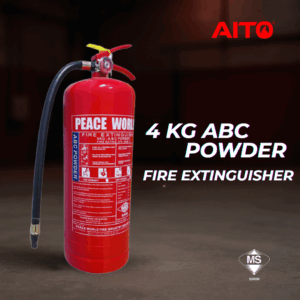
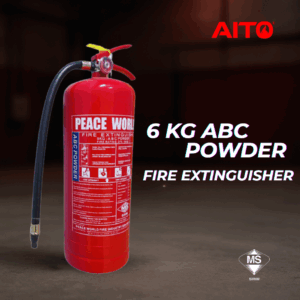
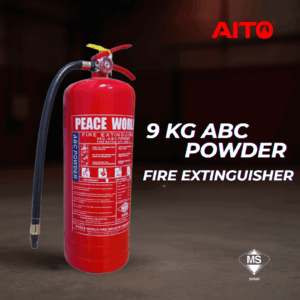
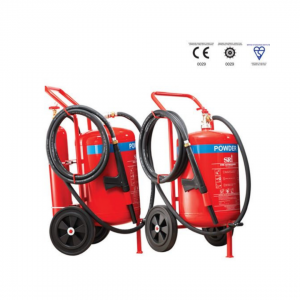
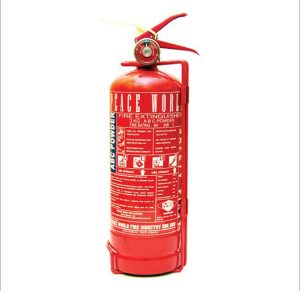
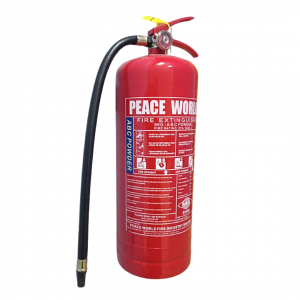
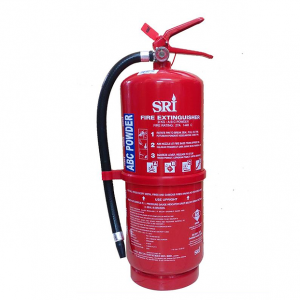
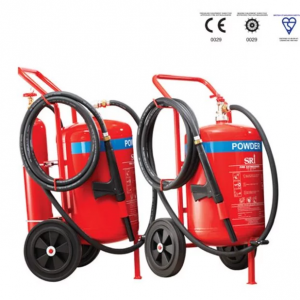
Fire extinguishers are one of the most basic fire safety items that businesses should not overlook.
Before any inspection or review, the premises should check whether fire extinguishers are:
- Suitable for the fire risk
- Installed at the correct location
- Clearly visible
- Easy to access
- Properly serviced
- Not expired
- Not damaged
- Supported by clear signage
- Not blocked by stock, furniture or equipment
Different areas may require different extinguisher types.
For example, electrical rooms, kitchens, offices, server areas, warehouses and production areas may not have the same fire risk.
You can read AITO’s guide on Jenis-Jenis Alat Pemadam Api to understand common extinguisher types and their uses.
Fire Extinguisher Signage and Equipment Visibility
Fire safety equipment must be easy to identify during an emergency.
Signage is important because it helps occupants, staff, contractors and emergency responders locate equipment quickly.
Before submission, inspection or handover, check whether signage is:
- Clear
- Visible
- Not faded
- Not damaged
- Placed near the correct equipment
- Not blocked by shelves, stock or furniture
- Suitable for the premises layout
Poor signage can make fire equipment difficult to find, especially in large buildings, warehouses, factories and commercial premises.
You can also read AITO’s guide on Fire Extinguisher Signage Malaysia.
Hose Reel and Fire Alarm Preparation
For many buildings, hose reel and fire alarm systems are important parts of fire protection readiness.
The project team should check whether these systems are installed, accessible and ready for testing.
Common items to review include:
- Hose reel cabinet condition
- Hose and nozzle condition
- Water supply readiness
- Fire alarm panel status
- Manual call points
- Alarm sounders
- Visual indicators where applicable
- System labels
- Testing records
- Maintenance records
If the system is not ready, the building may face inspection issues or handover delays.
Fire Pump Room and System Access
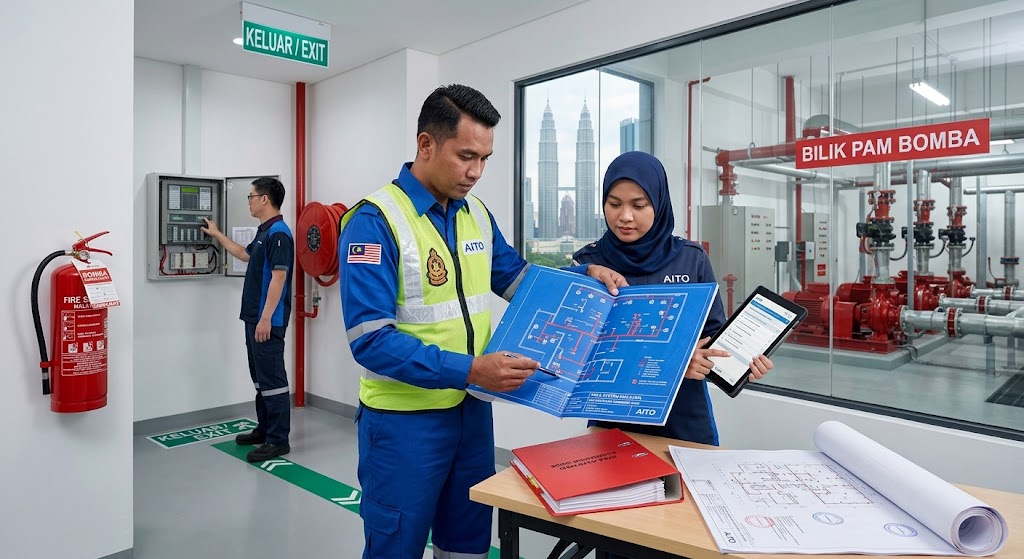
Fire pump rooms and system access areas should not be treated as storage spaces.
Before any submission-related inspection or review, make sure fire pump rooms and equipment areas are clean, accessible and properly labelled.
Common issues include:
- Stored items inside pump rooms
- Blocked access routes
- Missing signage
- Poor housekeeping
- Incomplete equipment labels
- Maintenance records not available
- Unclear system status
- Poor coordination between teams
These issues may seem small, but they can affect fire safety readiness.
Emergency Routes and Exit Signage
Fire protection readiness is not only about equipment. Safe evacuation is also important.
Building owners should check whether emergency exits, staircases, corridors and escape routes are clear.
Common problems include:
- Blocked exit doors
- Stock placed along corridors
- Missing exit signage
- Damaged emergency lights
- Locked escape routes
- Furniture blocking exits
- Poor housekeeping around staircases
- Temporary renovation items placed along walkways
Emergency routes should remain clear at all times, not only during inspection.
Why SPKA Should Not Be Done Last Minute
Last-minute preparation often causes mistakes.
When SPKA-related documentation or fire protection preparation is rushed, teams may miss important details.
This can lead to:
- Incorrect drawings
- Missing documents
- Fire equipment mismatch
- Unprepared systems
- Failed internal checks
- Delayed inspection
- Additional costs
- Rework before approval or handover
It is better to prepare early and review the site condition before submission or inspection stages.
SPKA for Renovation and Change of Use
SPKA-related preparation may become important when a building or premises goes through renovation, expansion or change of use.
For example:
- Office converted into training centre
- Retail lot converted into restaurant
- Warehouse changed into production area
- Factory layout changed
- New mezzanine floor added
- New storage area created
- New electrical room added
- Building occupancy increased
When the building use changes, the fire risk may also change.
This means fire protection systems, equipment placement and safety documents may need to be reviewed.
Common Mistakes Building Owners Should Avoid
Building owners and businesses should avoid these common mistakes:
- Treating SPKA as paperwork only
- Preparing documents too late
- Not checking actual site condition
- Ignoring fire extinguisher placement
- Not checking expiry dates
- Missing fire safety signage
- Assuming old drawings are still accurate
- Not updating fire protection information after renovation
- Blocking fire equipment with stock
- Not preparing maintenance records
- Not appointing a clear person in charge
Avoiding these mistakes can help the fire protection process run more smoothly.
How SPKA Supports Better Fire Safety
A proper fire protection submission process helps ensure that the building is planned and prepared with fire safety in mind.
It supports:
- Better fire system coordination
- Clearer safety documentation
- Improved inspection readiness
- Better equipment placement
- Reduced confusion during handover
- Stronger compliance preparation
- Safer building operations
For business owners, this can also reduce operational disruption and improve confidence before inspection or occupation.
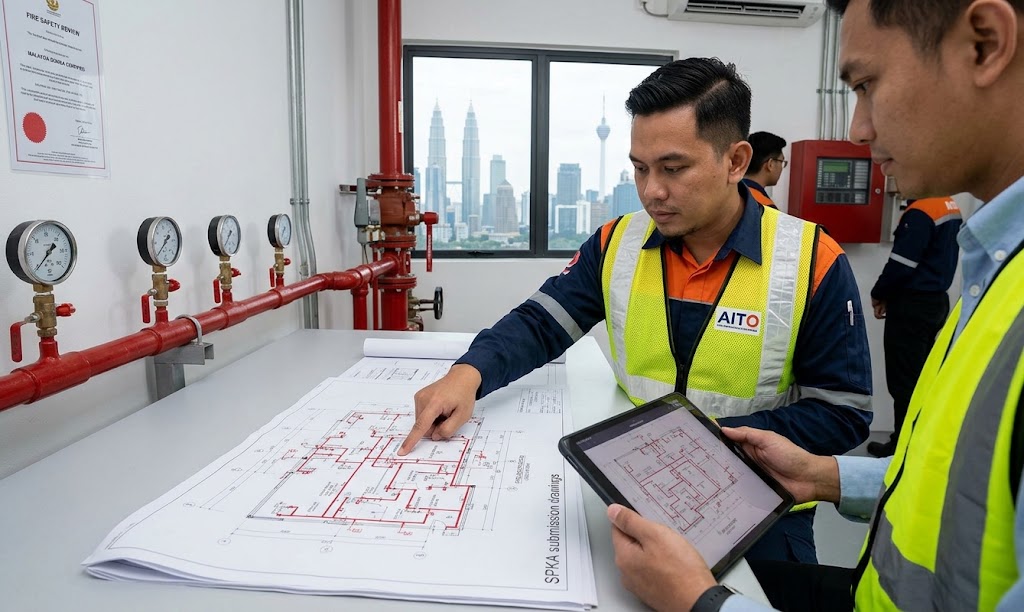
How AITO Can Help
AITO provides fire protection solutions, fire extinguisher supply, fire safety equipment, system support and inspection preparation for businesses and buildings in Malaysia.
If your building or premises is preparing for SPKA-related submission, fire protection review or BOMBA-related inspection, AITO can support with fire safety equipment readiness, fire extinguisher checks, signage, servicing and practical fire protection preparation.
AITO supports offices, factories, warehouses, commercial buildings, shop lots, restaurants, industrial premises and other business facilities.
To learn more, visit AITO Fire Protection Malaysia.
Conclusion
SPKA system Malaysia is an important part of fire protection submission and building fire safety preparation.
It should not be treated as paperwork only. Building owners and businesses should ensure that fire protection systems, fire extinguishers, signage, emergency routes, documents and site conditions are properly prepared.
Early preparation helps reduce delays, avoid rework and improve inspection readiness.
By working with a reliable fire protection provider and reviewing fire safety equipment early, businesses in Malaysia can prepare more confidently for SPKA-related processes and strengthen overall fire safety compliance.
FAQ: SPKA System Malaysia
What is SPKA system Malaysia?
SPKA is related to fire protection system submission and fire safety documentation processes in Malaysia. It is commonly connected to fire protection planning, review and authority-related preparation.
Why is SPKA important for building owners?
SPKA is important because it helps support fire protection submission, system coordination, inspection readiness and fire safety compliance preparation.
What should be prepared for SPKA-related fire protection submission?
Preparation may include fire protection drawings, system details, fire equipment information, maintenance records, testing records and site readiness checks.
Can fire extinguishers affect SPKA readiness?
Yes. Fire extinguishers should be suitable, visible, accessible, serviced, not expired and supported by clear signage.
Should SPKA be prepared before inspection?
Yes. SPKA-related documentation and fire protection readiness should be prepared early to reduce delays and avoid last-minute issues.
Does renovation affect fire protection submission?
Yes. Renovation, layout changes or change of use can affect fire risk and may require fire protection review.
Who can help with fire protection readiness in Malaysia?
AITO provides fire protection solutions, fire extinguisher supply, signage, servicing and inspection preparation support for businesses and buildings in Malaysia.